Introduction: The Critical Need for STEM Education
As the world rapidly advances, the need for a workforce skilled in Science, Technology, Engineering, and Mathematics (STEM) has never been greater. These fields are not only shaping the future but are central to the very fabric of modern society. STEM education is at the core of every breakthrough from space exploration to artificial intelligence, and yet, many students still struggle to see the real-world applications of these concepts. That’s where STEM project kits come in. These hands-on learning tools engage students in projects that simulate real-world scenarios, empowering them to think critically and creatively. The integration of STEM kits into education is a game-changer, creating tangible, practical experiences that demonstrate how the abstract concepts they learn can directly impact the world around them. This not only enhances their learning experience but also bridges the gap between theoretical knowledge and practical application, preparing them for future challenges.
The Hands-On Experience That Transforms Learning
For many students, learning through traditional methods such as textbooks and lectures can feel disconnected from the real world. However, STEM project kits provide a transformative hands-on approach that engages students on a much deeper level. Imagine building a working robot or programming a simple game from scratch. These experiences are far more than just educational – they are immersive and memorable, encouraging students to dive deep into the complexities of STEM subjects. When students are given the opportunity to create, build, and problem-solve, they are more likely to retain information and develop skills that go beyond mere memorization. This method of learning ignites curiosity, fosters critical thinking, and nurtures creativity, helping students become problem-solvers who are ready for the real-world challenges they will face in their careers.
Real-World Applications: Connecting Theory to Practice
The true beauty of STEM project kits lies in their ability to show students how their academic knowledge can translate into real-world solutions. Take, for example, a project where students design a simple water filtration system. This project allows them to apply chemistry, engineering, and environmental science principles to a real-world problem – providing clean water. As they encounter challenges and adjust their designs, students gain a deeper understanding of the concepts and learn how to adapt and innovate. These types of projects bring abstract theories to life, helping students see the practical value of STEM education. In today’s world, where innovation is critical, the ability to connect theory to practice is what separates the problem-solvers from the bystanders.
The Role of the Patient Education Liaison in STEM Learning
The field of healthcare has seen remarkable advancements thanks to the integration of STEM principles, especially with the role of the patient education liaison. This role connects the dots between medical professionals and patients, ensuring that individuals are fully informed about their health and treatment options. But the skills that a patient education liaison brings to the table – clear communication, analytical thinking, and the ability to interpret complex information – are rooted in STEM education. By integrating STEM project kits into education systems, we are not only preparing students for roles in engineering and technology but also fostering skills that can enhance healthcare communication and improve patient care outcomes. The experience gained through problem-solving projects can prepare future patient education liaisons to understand the intricacies of healthcare technology and better communicate complex medical data to patients in an understandable and accessible way.
Fostering Critical Skills for the Future Workforce
In the rapidly changing job market, employers are increasingly looking for candidates with diverse skills, including analytical thinking, creativity, and the ability to adapt to new technologies. STEM project kits equip students with these crucial skills by immersing them in scenarios that require problem-solving, collaboration, and innovation. Whether it’s building a prototype or coding a solution, students learn to break down complex problems into manageable tasks, testing, refining, and troubleshooting along the way. This iterative process mirrors the challenges faced in today’s workforce, where the ability to fail fast, learn from mistakes, and pivot when necessary is invaluable. Students who engage in these real-world applications through STEM project kits are better prepared for the fast-paced, ever-changing work environments they will encounter post-graduation.
The Growing Importance of STEM in Education
As technology continues to evolve, the importance of STEM education cannot be overstated. From healthcare to space exploration, the fields of STEM are integral to addressing some of the world’s most pressing challenges. The integration of STEM project kits into educational systems is an urgent necessity. These kits provide students with an opportunity to engage in learning that directly correlates with the demands of the modern world. With real-world projects like coding a website or designing a renewable energy system, students are equipped with the tools and mindset to excel in fields that will shape the future. The importance of investing in these kits cannot be ignored, as they not only enhance students’ learning but also ensure that they are fully prepared to contribute to the global economy and society in meaningful ways.
Boosting Confidence and Problem-Solving Abilities
One of the most compelling benefits of using STEM project kits is their ability to boost students’ confidence. As they work through real-world problems, students gain a sense of accomplishment when they see their projects come to life. This success fosters a can-do attitude that is essential for future growth. The iterative nature of STEM projects, where trial and error are not only expected but encouraged, teaches students the value of persistence. Every failure is a step closer to success, and every challenge is an opportunity to grow. By fostering a growth mindset, STEM project kits enable students to tackle problems with confidence, knowing that they have the skills to overcome obstacles and find solutions.
Collaboration and Teamwork: Skills Beyond the Classroom
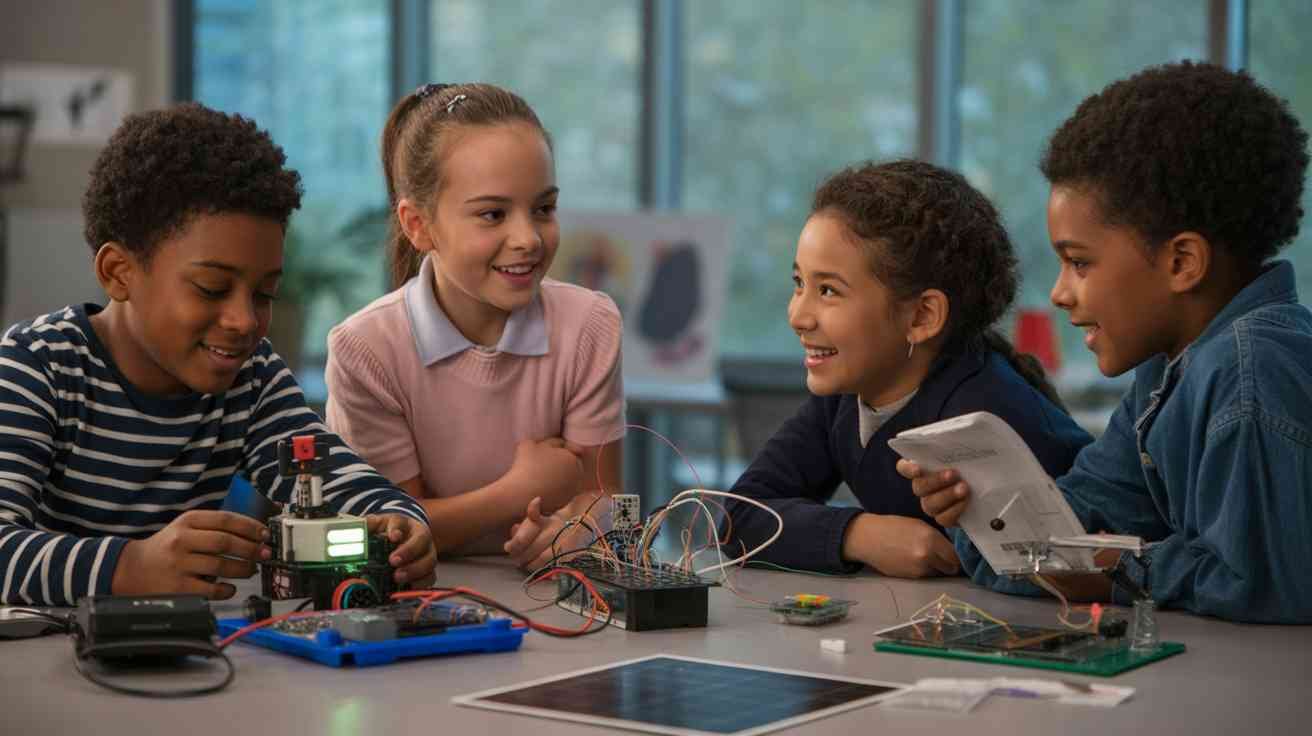
Many STEM projects require collaboration, which is another valuable skill that students gain through project-based learning. Whether students are working in teams to build a model, solve a coding problem, or design an environmental solution, they learn how to communicate effectively, delegate tasks, and support each other. These teamwork skills are indispensable in today’s workforce, where collaboration is often a key to success. By engaging in group projects through STEM kits, students learn to negotiate, compromise, and leverage each other’s strengths to achieve a common goal. This collaborative spirit not only prepares students for professional teamwork but also teaches them the importance of community and shared responsibility.
How to Integrate STEM Project Kits into Your Classroom
Integrating STEM project kits into your classroom can be a seamless and effective way to enhance your students’ learning experiences. Start by selecting kits that align with your curriculum and the real-world applications you want to explore. Whether it’s robotics, environmental science, or computer programming, there are kits available for all subject areas. Once you’ve chosen the right kit, structure your lessons around the project, ensuring that students have the resources, time, and support they need to succeed. Create an environment that encourages exploration, creativity, and collaboration, and let students take the lead in their learning. The more hands-on the experience, the more engaged and motivated your students will be. By incorporating STEM kits, you’re providing your students with the tools they need to succeed not just academically but also in their future careers.
Conclusion: The Urgency of Embracing STEM Project Kits
The benefits of STEM project kits in engaging students in real-world applications are undeniable. These kits are a catalyst for change, transforming the way students learn and interact with the world around them. They prepare students for the challenges and opportunities of the future, equipping them with the critical skills, confidence, and problem-solving abilities needed to thrive in a fast-paced, technology-driven world. The integration of STEM project kits into the classroom is not just a trend – it is an essential step toward preparing the next generation of innovators, leaders, and problem-solvers. Don’t wait – empower your students with the hands-on experiences that will shape their futures today.