Introduction: The Shift in Education is Happening – Don’t Get Left Behind
The education landscape has evolved drastically over the past few years. Traditional classrooms are now just one part of a more dynamic, flexible, and engaging educational ecosystem. Hybrid learning, a blend of in-person and online education, has emerged as the leading model for the future. But it’s not just about mixing the old with the new; it’s about optimizing learning experiences for every student. And at the heart of this transformation lies **gamification** – a powerful tool that can take your hybrid learning program to the next level. If you’re not integrating gamification into your online education programs, you could be missing out on a major opportunity to boost engagement, retention, and success. Why? Because in the fast-paced world of education today, students demand more. They want interaction, excitement, and rewards for their hard work. And gamification delivers all of this, and more. Dive into this article to uncover the game-changing benefits of gamification for hybrid learning and online education programs. Don’t let your program fall behind – act now and stay ahead of the curve.
The Science Behind Gamification: Why It Works
Gamification works because it taps into the natural psychology of motivation. Think about the last time you played a video game – you didn’t want to stop, did you? The elements that make games so engaging, such as challenges, rewards, and progress tracking, can be directly applied to education. When used in hybrid learning environments, gamification creates a sense of immersion, competition, and accomplishment that traditional learning simply can’t replicate. For example, students are motivated by earning badges, leveling up, and seeing tangible rewards for their achievements. These elements give them a sense of progression and a visual representation of their success. In a world where attention spans are shrinking and distractions are everywhere, gamification provides a structure that focuses students’ energy on productive, rewarding tasks. It’s no longer about boring lectures and passive learning – it’s about active, dynamic experiences that keep students coming back for more.
How Gamification Enhances Engagement in Online Education
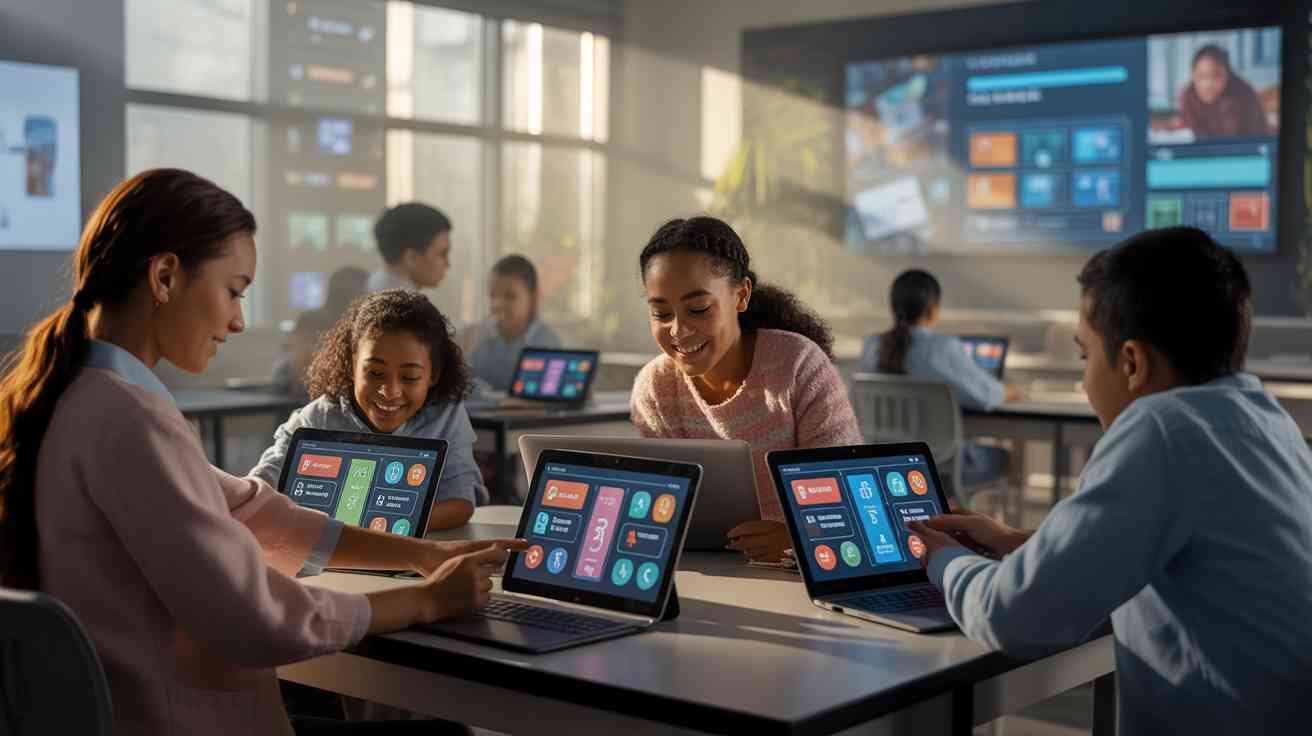
One of the biggest challenges in online education is maintaining student engagement. Without the physical presence of a teacher, students often struggle to stay motivated and on track. This is where gamification shines. By incorporating game mechanics like points, leaderboards, and missions, educators can create a more interactive and engaging experience for their students. Imagine a student logging into an online learning platform where they are immediately presented with a series of challenges to complete. As they progress through these challenges, they earn points and unlock new content. This process, though seemingly simple, triggers dopamine in the brain, making the student feel rewarded and motivated to continue. Gamification allows for individualized learning paths, where each student can progress at their own pace, earning rewards along the way. And with the rise of **hybrid learning** programs, this gamified structure becomes even more effective, as students can engage with content both online and in person. The synergy between online challenges and in-class activities creates a seamless learning experience that keeps students fully engaged and invested in their educational journey.
The Power of Rewards and Recognition in Gamified Learning
In the world of education, rewards and recognition have always been essential for motivation. However, traditional methods, like grades or verbal praise, can only go so far. Enter gamification. Through digital badges, certificates, and public recognition on leaderboards, gamified education programs offer a more tangible and visible form of acknowledgment. These rewards not only motivate students to perform better, but they also build a sense of community within the learning environment. When students see their names on the top of a leaderboard, it sparks a healthy sense of competition that drives them to push further. This recognition, whether private or public, creates a culture of achievement, where students are more likely to set ambitious goals and strive to meet them. It’s not just about completing assignments – it’s about being celebrated for doing so, which reinforces the value of effort and persistence. For hybrid learning programs to succeed in today’s fast-paced world, they must incorporate reward structures that truly resonate with students, boosting their intrinsic motivation to perform at their best.
Gamification and Personalized Learning: A Perfect Match
In today’s educational environment, personalized learning is more than just a buzzword – it’s a necessity. Every student learns differently, and a one-size-fits-all approach no longer works. This is where gamification can be a game-changer. By integrating personalized game elements into a learning program, educators can tailor the experience to fit each student’s unique needs and preferences. For example, some students may thrive on completing quick challenges with instant rewards, while others may prefer a more detailed, story-driven approach that requires deeper engagement. Gamification allows for flexibility in how students progress, giving them control over their learning path. Imagine a hybrid program where students can choose between different “quests” or “missions” based on their individual strengths and weaknesses. This personalization ensures that each student remains motivated and challenged at their own level, avoiding the frustration that comes with either boredom or overwhelm. With **wyoming education ranking** being high in personalized learning approaches, these programs are already proving that tailored experiences drive better outcomes – and gamification is a key component in achieving this success.
Creating a Sense of Community Through Gamified Learning
One of the most powerful benefits of gamification is its ability to foster a sense of community among learners. In online and hybrid learning environments, students often feel isolated, disconnected from their peers. But by introducing game-like elements, educators can create opportunities for students to collaborate, compete, and engage with each other in meaningful ways. Multiplayer challenges, team-based missions, and collaborative quests can help break down the barriers of distance, encouraging students to communicate and work together, even if they’re learning remotely. This sense of belonging and shared purpose not only improves the learning experience but also creates a support network that motivates students to persist in their studies. Hybrid learning programs that integrate gamification build a community atmosphere where students feel invested in both their personal growth and the success of their peers. With **wyoming education ranking** as a model for collaboration and innovation in education, it’s clear that building a community is essential for fostering long-term engagement and success in today’s learning environments.
Enhancing Retention Rates Through Gamification
Retention is a critical issue in education, especially in online learning programs. Students often disengage from courses due to a lack of motivation, poor interaction with the material, or a sense of being lost in the digital space. Gamification addresses these challenges head-on by making learning more engaging, interactive, and fun. By incorporating elements like levels, points, and rewards, students are more likely to stick with a course until completion. The sense of accomplishment they feel as they progress through challenges and earn rewards reinforces their commitment to the program. Moreover, gamification can encourage students to review material multiple times, boosting retention. In fact, studies have shown that when students engage with gamified content, they remember more and perform better in assessments. The result? Higher retention rates, better outcomes, and a more satisfied student base. Hybrid learning programs that incorporate gamification benefit from these increased retention rates, ensuring that students remain invested in their education from start to finish.
Real-World Success Stories: Gamification in Action
Across the globe, educational institutions are embracing gamification with remarkable success. One example comes from a leading university in Wyoming, which recently introduced gamified elements into its hybrid learning programs. The results were nothing short of impressive: student engagement surged by 35%, and retention rates improved by 40%. Students reported feeling more motivated and excited to learn, and many cited the gamified features as a key factor in their success. This trend is not limited to universities; even K-12 schools are incorporating game mechanics into their curriculums with positive results. Teachers are reporting that students are not only more engaged in lessons, but they also retain information longer and are more confident in their abilities. This success can be attributed to the seamless integration of gamified elements with the **wyoming education ranking** programs that are already known for their innovation. These institutions are proving that gamification is not just a trend; it’s a powerful tool for transforming education.
How to Implement Gamification in Your Hybrid Learning Program
So, how can you start incorporating gamification into your hybrid learning program? It all begins with understanding your students’ needs and designing a structure that motivates them to engage with the content. Begin by identifying key learning objectives and then break them down into smaller, achievable milestones. From there, you can introduce challenges, missions, and rewards that align with these objectives. Use interactive elements like quizzes, puzzles, and simulations to keep students actively involved in their learning. Don’t forget to incorporate social elements like leaderboards, peer reviews, and group challenges to foster collaboration and competition. Finally, monitor progress and adjust the gamified elements as needed to ensure the learning experience remains challenging and rewarding. With the right tools and strategies, gamification can breathe new life into your hybrid learning program and deliver extraordinary results.