
In the fast-evolving world of online education, the pressure to deliver measurable success has never been more intense. Institutions and instructors alike are scrambling to harness the power of data analytics to not only survive but thrive in this competitive landscape. If you’re an online education specialist, the time to act is now – before your competitors leave you behind. The tools and strategies to revolutionize your approach are within reach, but hesitation could cost you dearly.
Understanding the Power of Learning Analytics
Learning analytics is not just a buzzword; it’s the cornerstone of modern educational success. By systematically collecting and analyzing data from various educational platforms, learning management systems (LMS), and student interactions, institutions can gain invaluable insights into student behavior, engagement, and performance. This data-driven approach allows for the identification of at-risk students, optimization of course content, and enhancement of teaching strategies. For an online education specialist, mastering learning analytics is no longer optional – it’s imperative for staying competitive and ensuring student success.
Key Metrics Every Online Education Specialist Should Monitor
To effectively measure success and optimize operations, it’s crucial to focus on specific key performance indicators (KPIs). These include student engagement levels, completion rates, assessment scores, and feedback quality. Monitoring these metrics in real-time enables educators to make informed decisions, adjust teaching methods promptly, and provide targeted interventions when necessary. For instance, a sudden drop in engagement could signal a need for content revision or additional support, while high completion rates may indicate effective course design and delivery. By staying attuned to these metrics, online education specialists can ensure that their programs meet the evolving needs of students and industry standards.
Leveraging Predictive Analytics for Proactive Interventions
Predictive analytics takes learning analytics a step further by forecasting future student outcomes based on historical data. By employing machine learning algorithms and statistical models, educators can predict which students are at risk of underperforming or dropping out. This foresight allows for timely, personalized interventions, such as targeted tutoring, counseling, or curriculum adjustments. Implementing predictive analytics not only enhances student retention but also improves overall educational quality. For online education specialists, integrating predictive analytics into their strategy is a game-changer in fostering student success and institutional growth.
Personalizing Learning Experiences Through Data
One-size-fits-all approaches are becoming obsolete in the realm of online education. Data analytics enables the personalization of learning experiences by identifying individual student needs, preferences, and learning styles. By analyzing data on student interactions, progress, and feedback, educators can tailor content, pacing, and assessments to suit each learner. This personalized approach not only enhances student engagement and satisfaction but also leads to better learning outcomes. For online education specialists, embracing personalized learning is essential for creating inclusive and effective educational environments.
Enhancing Operational Efficiency with Analytics
Beyond student success, analytics plays a pivotal role in optimizing operational efficiency. By analyzing data on resource utilization, course delivery methods, and administrative processes, institutions can identify areas for improvement and cost-saving opportunities. For example, analytics can reveal underutilized resources, redundant processes, or bottlenecks in course delivery, allowing for streamlined operations and better allocation of resources. For online education specialists, leveraging analytics to enhance operational efficiency ensures that educational programs are not only effective but also sustainable and scalable.
Implementing Real-Time Dashboards for Continuous Monitoring
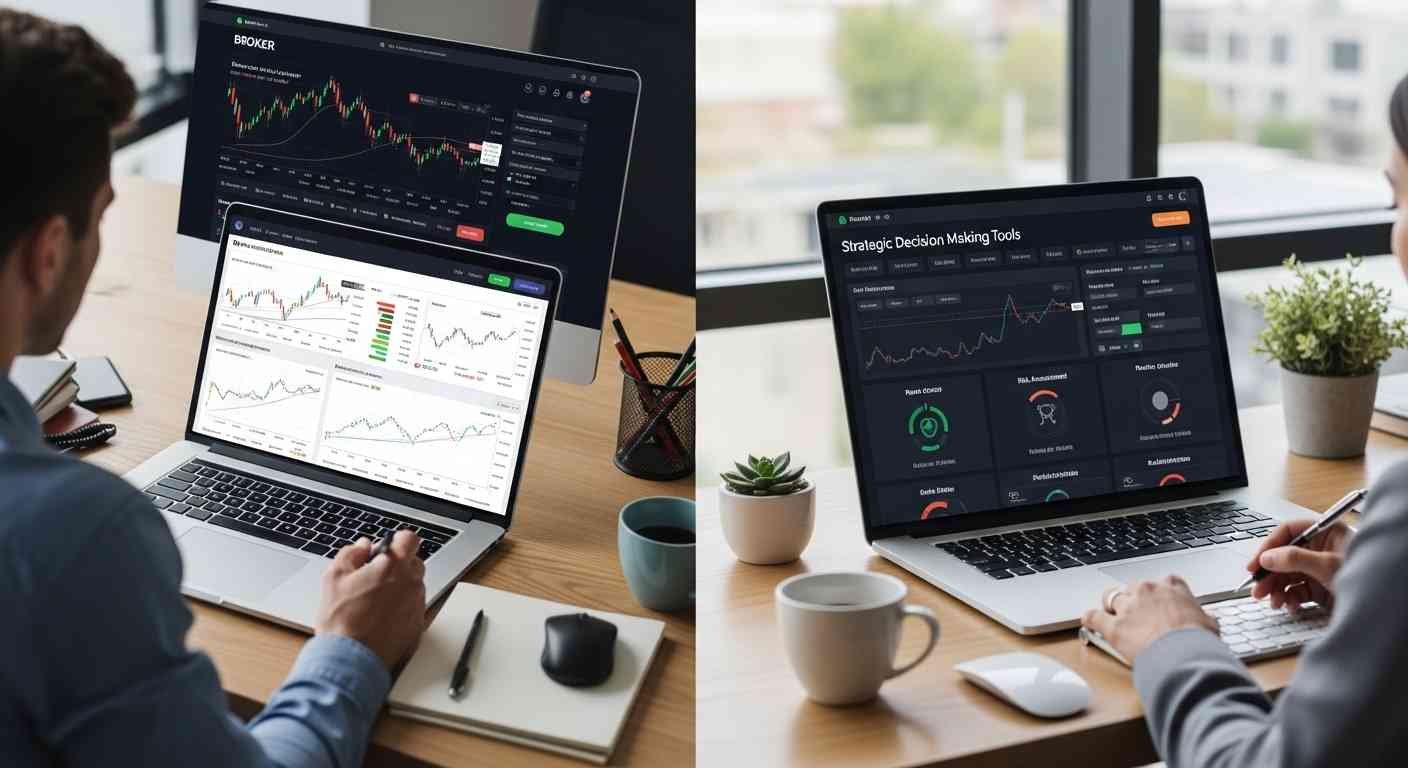
Real-time dashboards provide a dynamic and interactive way to monitor key metrics and make data-driven decisions on the fly. These dashboards aggregate data from various sources, presenting it in an easily digestible format that highlights trends, anomalies, and areas requiring attention. By implementing real-time dashboards, online education specialists can stay informed about student progress, engagement, and performance at all times, enabling swift responses to emerging issues and continuous improvement of educational programs.
Ensuring Data Privacy and Ethical Use of Analytics
With the power of data comes the responsibility to handle it ethically and securely. Ensuring data privacy is paramount in maintaining trust and compliance with regulations such as GDPR and FERPA. Online education specialists must implement robust data protection measures, including encryption, anonymization, and secure access controls. Additionally, ethical considerations should guide the use of analytics, ensuring that data is used to benefit students and not to exploit or discriminate against them. By upholding high standards of data privacy and ethics, online education specialists can foster a safe and trustworthy learning environment.
Staying Ahead of the Curve: Continuous Learning and Adaptation
The landscape of online education is constantly evolving, with new technologies, methodologies, and challenges emerging regularly. To remain competitive, online education specialists must commit to continuous learning and adaptation. This involves staying abreast of the latest developments in learning analytics, participating in professional development opportunities, and fostering a culture of innovation within their institutions. By embracing change and proactively seeking improvements, online education specialists can ensure that their programs remain relevant, effective, and aligned with industry best practices.