In the rapidly evolving landscape of education, traditional teaching methods are no longer sufficient to captivate the minds of today’s learners. The urgency to adapt and innovate is palpable, as students increasingly demand engaging, hands-on experiences that connect theoretical knowledge to real-world applications. This paradigm shift is not just a trend but a necessity, as evidenced by the growing body of research and practice in the field of STEM (Science, Technology, Engineering, and Mathematics) education. The Journal of Medical Internet Research (JMIR) Medical Education has been at the forefront of exploring and disseminating effective strategies that bridge the gap between complex STEM concepts and student comprehension through interactive and experiential learning approaches.
The Necessity of Interactive and Experiential Learning in STEM Education
The urgency to revamp STEM education is underscored by the increasing complexity of the subjects and the diverse learning needs of students. Traditional lecture-based instruction often fails to engage students or facilitate deep understanding. Interactive and experiential learning methods, however, offer dynamic alternatives that actively involve students in the learning process. These approaches encourage exploration, critical thinking, and problem-solving, making abstract concepts more tangible and accessible. The JMIR Medical Education emphasizes the importance of integrating these methods to enhance student engagement and retention in STEM disciplines.
Implementing interactive and experiential learning strategies requires a shift in teaching philosophy and classroom dynamics. Educators must move from being mere transmitters of information to facilitators of learning experiences. This transformation involves creating learning environments that encourage curiosity, collaboration, and hands-on exploration. By incorporating real-world problems and scenarios, students can see the relevance of their studies and are more likely to develop a lasting interest in STEM fields. The JMIR Medical Education provides valuable insights into how these methodologies can be effectively applied in medical and health sciences education, offering a model for other STEM disciplines to emulate.
Hands-On Learning: Bridging Theory and Practice
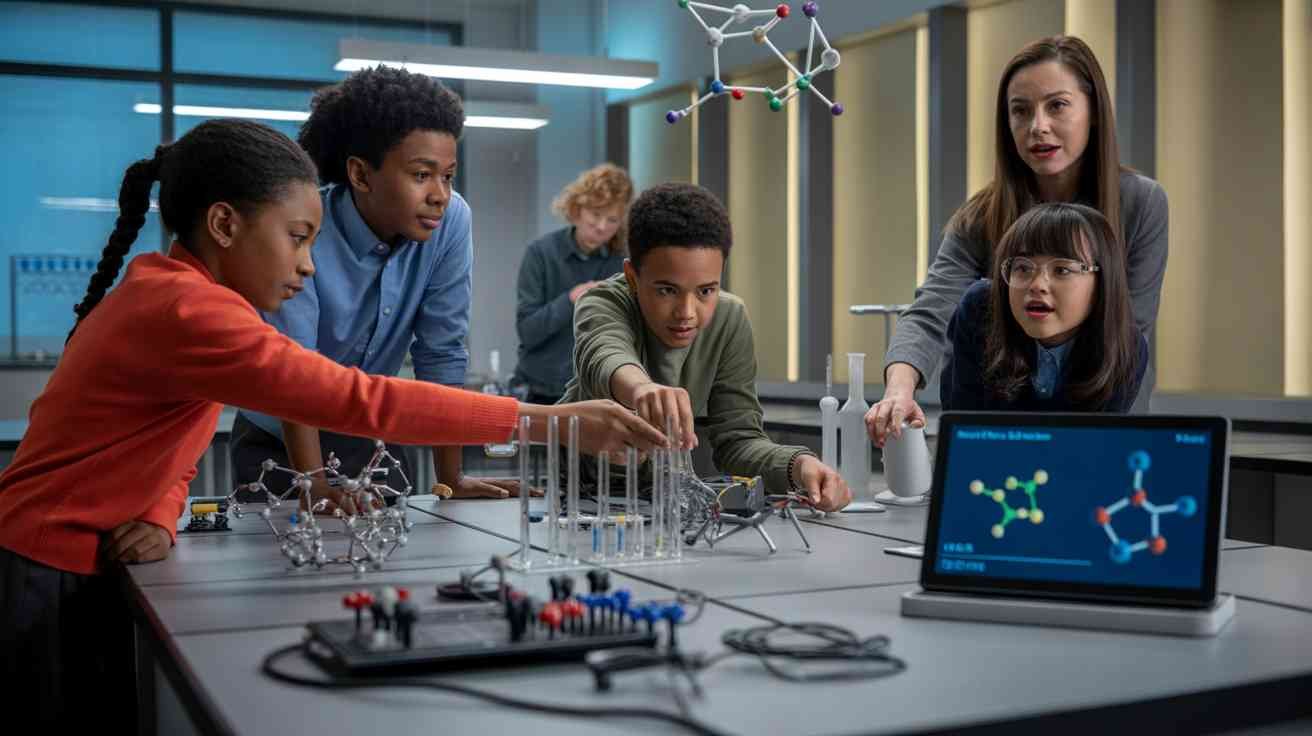
Hands-on learning is a cornerstone of interactive and experiential education. By engaging students in practical activities, they can directly apply theoretical knowledge, leading to a deeper understanding of the material. This approach is particularly effective in STEM education, where concepts can often seem abstract or disconnected from everyday life. Through experiments, projects, and real-world problem-solving tasks, students can see the immediate impact and relevance of their learning. The JMIR Medical Education highlights various case studies where hands-on learning has led to improved student outcomes in medical education, demonstrating its efficacy in complex subjects.
Moreover, hands-on learning fosters critical skills such as teamwork, communication, and adaptability. As students collaborate on projects and experiments, they learn to navigate challenges, share ideas, and synthesize information from various sources. These experiences not only enhance their academic abilities but also prepare them for the collaborative nature of modern workplaces. The JMIR Medical Education underscores the importance of these skills in the context of medical training, where interdisciplinary collaboration is essential for effective patient care.
Project-Based Learning: Encouraging Inquiry and Innovation
Project-based learning (PBL) is an instructional strategy that organizes learning around projects. In PBL, students work on a project over an extended period, which encourages active exploration and inquiry. This method is particularly effective in STEM education, as it mirrors the real-world processes of problem-solving and innovation. Students engage in research, design, testing, and refinement, which mirrors the scientific method and engineering design process. The JMIR Medical Education discusses how PBL can be utilized in medical education to simulate real clinical scenarios, allowing students to develop practical skills in a controlled environment.
Implementing PBL requires careful planning and support. Educators must design projects that are challenging yet achievable, provide resources and guidance, and create an environment that supports collaboration and creativity. Assessment in PBL is also multifaceted, focusing not only on the final product but also on the process, including teamwork, problem-solving, and the application of knowledge. The JMIR Medical Education provides frameworks and examples of PBL applications in medical education, offering a valuable resource for educators seeking to adopt this approach.
Integrating Technology: Enhancing Engagement and Accessibility
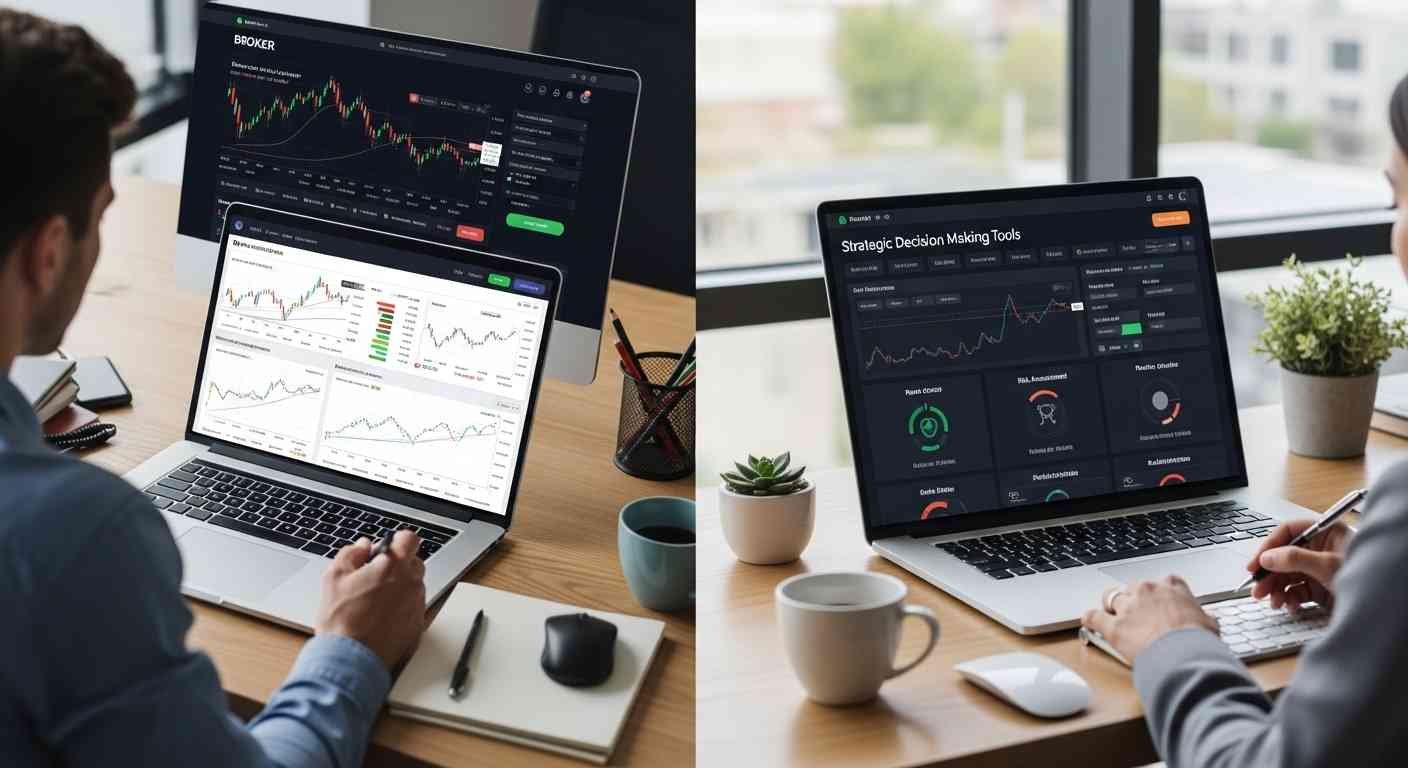
In the digital age, integrating technology into STEM education is not optional but essential. Tools such as simulations, virtual labs, and interactive software can enhance learning by providing immersive experiences and immediate feedback. These technologies allow students to visualize complex concepts, conduct experiments virtually, and explore scenarios that would be difficult or impossible in a traditional classroom setting. The JMIR Medical Education explores the use of digital platforms in medical training, highlighting their role in providing accessible and scalable learning opportunities.
However, the integration of technology must be purposeful and aligned with learning objectives. Simply incorporating digital tools without a clear pedagogical strategy can lead to disengagement and superficial learning. Educators must ensure that technology enhances, rather than detracts from, the learning experience. The JMIR Medical Education offers guidance on effectively integrating technology into curricula, emphasizing the importance of aligning digital tools with educational goals and providing adequate support for both students and instructors.
Flipped Classrooms: Reimagining Traditional Learning Spaces
The flipped classroom model inverts traditional teaching methods by delivering instructional content outside of class and using class time for interactive activities. This approach allows students to learn at their own pace and come to class prepared to engage in discussions, problem-solving, and collaborative projects. In STEM education, flipped classrooms can be particularly effective, as they provide students with the opportunity to explore concepts in depth before applying them in practical settings. The JMIR Medical Education examines the application of flipped classrooms in medical education, noting improvements in student engagement and performance.
Implementing a flipped classroom requires careful planning and resource development. Educators must create or curate high-quality instructional materials, such as videos, readings, and quizzes, that students can access outside of class. In-class activities must be designed to build upon this content, encouraging active learning and application. The JMIR Medical Education provides examples and strategies for implementing flipped classrooms in medical education, offering insights that can be adapted to other STEM disciplines.
Collaborative Learning: Building Communication and Teamwork Skills
Collaboration is a fundamental aspect of STEM fields, where interdisciplinary teams work together to solve complex problems. Incorporating collaborative learning into STEM education helps students develop essential skills such as communication, teamwork, and conflict resolution. Through group projects, peer reviews, and cooperative problem-solving tasks, students learn to navigate diverse perspectives and work towards common goals. The JMIR Medical Education highlights the importance of collaborative learning in medical education, where teamwork is critical for patient care and research.
Effective collaborative learning requires a supportive environment that encourages open communication and mutual respect. Educators must facilitate group dynamics, provide guidance on effective collaboration strategies, and assess both individual and group contributions. The JMIR Medical Education offers frameworks and best practices for fostering collaborative learning in medical education, providing valuable insights for educators in other STEM disciplines.
Assessment Strategies: Measuring Deep Learning and Application
Traditional assessments often focus on rote memorization and recall, which may not accurately reflect a student’s understanding or ability to apply knowledge. In interactive and experiential learning environments, assessments should measure deeper levels of learning, including critical thinking, problem-solving, and the application of knowledge in real-world contexts. The JMIR Medical Education discusses various assessment strategies, such as formative assessments, peer evaluations, and reflective journals, that provide a more comprehensive picture of student learning.
Implementing these assessment strategies requires a shift in mindset and practice. Educators must design assessments that align with learning objectives and provide opportunities for students to demonstrate their understanding in authentic contexts. Feedback should be timely, constructive, and focused on growth. The JMIR Medical Education provides examples and guidelines for implementing effective assessment strategies in medical education, offering a model for other STEM disciplines to follow.
Overcoming Challenges: Addressing Barriers to Implementation
Despite the clear benefits of interactive and experiential learning methods, educators often face challenges in implementing these strategies. Barriers such as limited resources, lack of training, and resistance to change can hinder the adoption of innovative teaching approaches. Overcoming these challenges requires a concerted effort from educators, administrators, and policymakers. The JMIR Medical Education identifies common obstacles in medical education and offers recommendations for addressing them, such as investing in professional development, fostering a culture of innovation, and advocating for supportive policies.
Building a community of practice can also support the implementation of interactive and experiential learning methods. By collaborating with colleagues, sharing resources, and engaging in ongoing professional learning, educators can overcome challenges and enhance their teaching practices. The JMIR Medical Education emphasizes the importance of community in fostering innovation and improving educational outcomes.
In conclusion, the urgency to adopt interactive and experiential learning strategies in STEM education cannot be overstated. These approaches not only enhance student engagement and understanding but also prepare students for the complex, collaborative, and dynamic nature of modern STEM fields. The JMIR Medical Education provides a wealth of resources and insights that can guide educators in implementing these strategies effectively. By embracing these methods, educators can transform STEM education into a more engaging, relevant, and impactful experience for all students.