
Imagine waking up to a thick, gray haze that blankets your city, where the sun struggles to pierce through the smog. The air feels heavy, and each breath is a reminder of the invisible danger lurking in the atmosphere. This is the harsh reality for millions living in areas plagued by air pollution. But there’s hope. Communities worldwide are taking bold steps to combat this crisis, and you can be a part of this transformative movement. The time to act is now – before the smog thickens and the health risks escalate.
Understanding the Silent Killer: Air Pollution’s Impact on Health
Air pollution is more than just an environmental issue; it’s a public health emergency. Fine particulate matter (PM2.5) and other pollutants infiltrate our lungs, bloodstream, and organs, leading to chronic diseases, respiratory infections, and even premature death. The World Health Organization attributes approximately 4.2 million premature deaths annually to ambient air pollution, with the majority occurring in low- and middle-income countries. In regions like Pakistan’s Punjab province, toxic smog has already endangered the health of millions, particularly children, who are more susceptible to these pollutants. The urgency to address this crisis cannot be overstated.
Empowering Communities Through Education and Awareness
Access in education plays a pivotal role in combating air pollution. When communities are informed about the sources and dangers of air pollution, they are more likely to adopt protective measures. Schools, local organizations, and media outlets can serve as platforms to disseminate knowledge about air quality, its health implications, and preventive strategies. Educational campaigns can teach individuals how to monitor air quality, recognize pollution symptoms, and understand the importance of reducing emissions. By fostering a well-informed populace, communities can collectively take action to mitigate the effects of air pollution.
Advocating for Policy Change and Government Action
While individual efforts are crucial, systemic change is necessary to tackle air pollution effectively. Advocacy for stricter environmental regulations, enforcement of emission standards, and investment in clean energy infrastructure can lead to significant improvements in air quality. Engaging with policymakers, participating in public consultations, and supporting environmental organizations can amplify the call for action. Communities that unite in their demand for cleaner air can influence legislative decisions and drive the implementation of policies that protect public health.
Implementing Urban Planning Solutions
Urban planning plays a critical role in reducing exposure to air pollution. Designing cities with green spaces, pedestrian zones, and efficient public transportation systems can decrease reliance on private vehicles, thereby reducing emissions. Planting trees and creating urban forests can help filter pollutants and improve air quality. Additionally, zoning laws that limit industrial activities near residential areas can prevent the release of harmful substances into the atmosphere. Thoughtful urban planning not only enhances the aesthetic appeal of cities but also contributes to the health and well-being of their inhabitants.
Promoting Clean Energy Alternatives
Transitioning to clean energy sources is essential in reducing air pollution. Solar, wind, and hydroelectric power generate electricity without emitting harmful pollutants. Encouraging the adoption of renewable energy technologies, both at the community and individual levels, can significantly decrease the carbon footprint. Incentives for installing solar panels, supporting wind farms, and investing in energy-efficient appliances can accelerate this transition. Communities that embrace clean energy not only improve air quality but also contribute to the global effort to combat climate change.
Enhancing Public Transportation and Sustainable Mobility
Reducing the number of vehicles on the road is a direct way to lower air pollution levels. Investing in efficient and accessible public transportation systems can encourage people to opt for buses, trains, and bicycles over private cars. Implementing bike-sharing programs, expanding bus routes, and constructing dedicated cycling lanes can make sustainable mobility more attractive. Moreover, promoting electric vehicles (EVs) and providing charging infrastructure can further reduce emissions from the transportation sector. Communities that prioritize sustainable mobility create cleaner, healthier environments for their residents.
Encouraging Community-Led Initiatives and Innovations
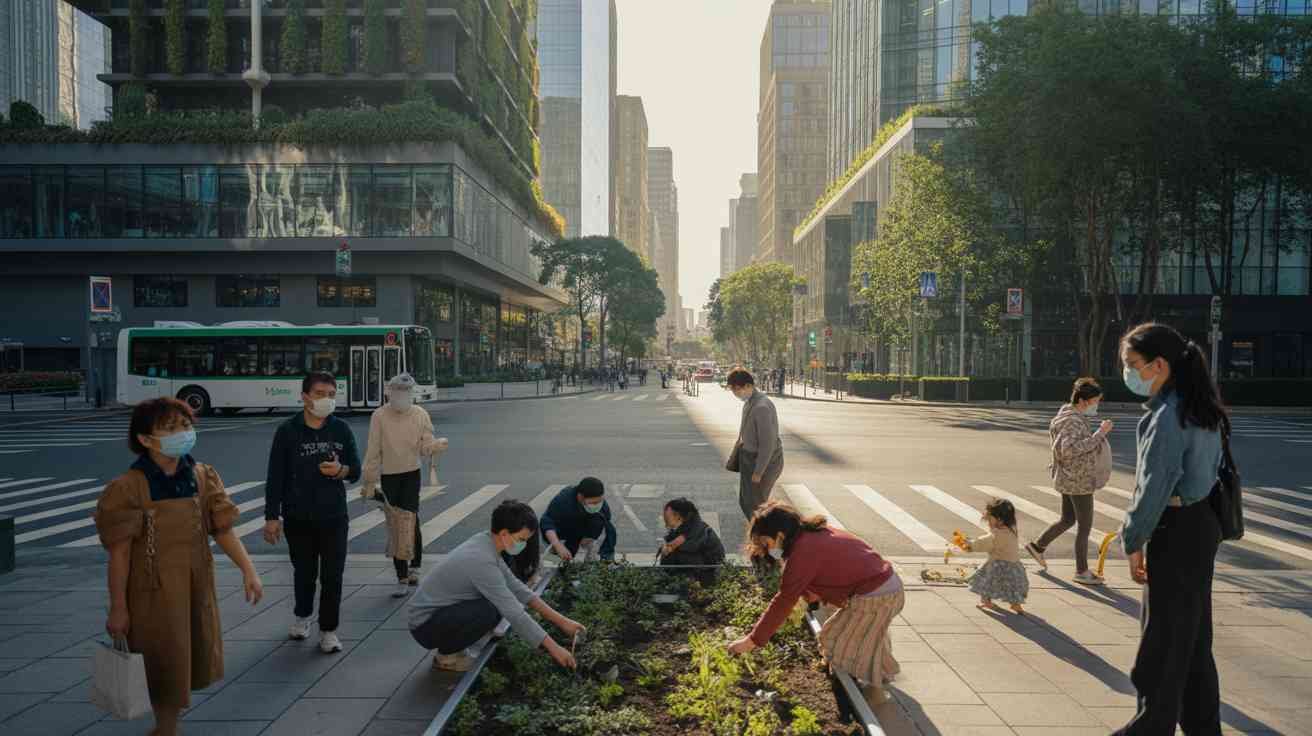
Grassroots movements and community-led initiatives have proven effective in addressing local air pollution issues. Organizing clean-up drives, tree planting campaigns, and awareness workshops can mobilize residents to take collective action. Additionally, supporting local innovations, such as the development of low-emission cooking technologies and air purification systems, can provide practical solutions to pollution problems. Communities that harness local knowledge and resources can create tailored strategies that address their unique challenges and improve air quality.
Monitoring Air Quality and Personal Protection Measures
Regular monitoring of air quality is vital in understanding pollution levels and taking appropriate actions. Communities can establish air quality monitoring stations and collaborate with environmental organizations to collect and analyze data. This information can guide public health advisories and inform residents about when to limit outdoor activities. Personal protection measures, such as wearing masks, using air purifiers, and avoiding outdoor exercise during high pollution periods, can reduce individual exposure to harmful pollutants. Empowering residents with knowledge and tools to protect themselves enhances community resilience against air pollution.
Building Resilient Healthcare Systems
Healthcare systems must be equipped to address the health impacts of air pollution. Training healthcare professionals to recognize and treat pollution-related illnesses, establishing clinics in high-risk areas, and ensuring access to medications can mitigate health risks. Public health campaigns that promote respiratory health and provide resources for managing chronic conditions can also be beneficial. Communities that invest in resilient healthcare systems can better protect their populations from the adverse effects of air pollution.
In an increasingly interconnected world, the need for effective disease monitoring and response has never been more critical. By exploring the role of collaboration between health agencies, we can uncover how initiatives like wes education verification play a vital part in enhancing our public health infrastructure.