In today’s rapidly evolving world, the demand for individuals equipped with leadership, teamwork, and problem-solving skills has never been higher. Organizations are on the lookout for individuals who not only possess technical expertise but also the ability to lead, collaborate, and navigate complex challenges. This article delves into practical methods for teaching these essential skills effectively, ensuring that individuals are well-prepared to thrive in dynamic environments.
Understanding the Importance of Leadership, Teamwork, and Problem-Solving Skills
Leadership, teamwork, and problem-solving are interconnected competencies that form the backbone of successful organizations. Leadership involves guiding and inspiring others towards a common goal, fostering a sense of purpose and direction. Teamwork emphasizes collaboration, communication, and mutual support, enabling individuals to work cohesively towards shared objectives. Problem-solving entails the ability to analyze situations, identify challenges, and devise effective solutions.
These skills are not innate; they can be cultivated through intentional teaching and practice. By integrating leadership, teamwork, and problem-solving into educational curricula and training programs, individuals can develop the necessary competencies to excel in their personal and professional lives. Moreover, fostering these skills contributes to building resilient and adaptable teams capable of navigating the complexities of the modern world.
Incorporating Experiential Learning Opportunities
One of the most effective ways to teach leadership, teamwork, and problem-solving skills is through experiential learning. This approach involves immersing individuals in real-world scenarios that require them to apply their knowledge and skills in practical settings. Activities such as simulations, role-playing exercises, and case studies provide opportunities for individuals to engage actively and learn from their experiences.
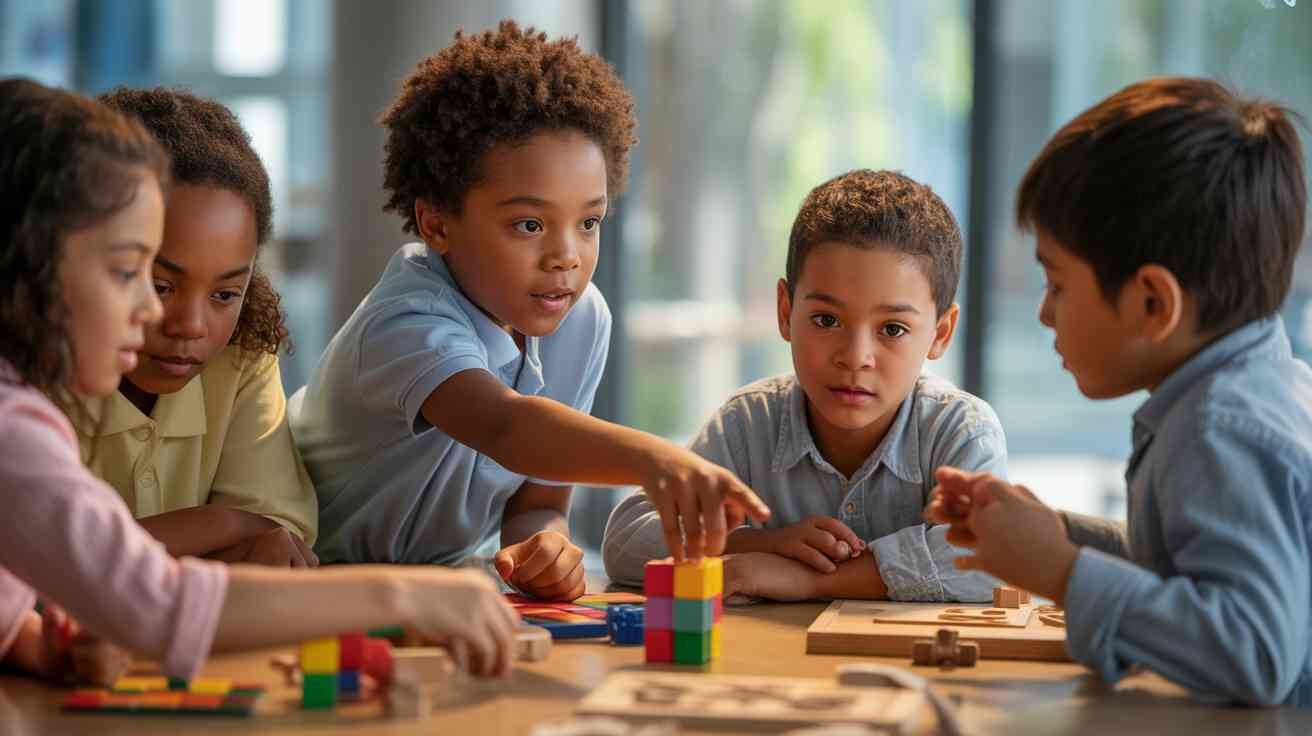
For instance, organizing team-building exercises that simulate workplace challenges can help individuals develop communication, collaboration, and problem-solving skills. By working together to overcome obstacles, participants learn to leverage each other’s strengths, navigate conflicts, and devise innovative solutions. These experiences not only enhance skill development but also build trust and camaraderie among team members.
Integrating Reflective Practices into Learning Processes
Reflection is a powerful tool for deepening learning and enhancing skill development. Encouraging individuals to reflect on their experiences allows them to gain insights into their actions, behaviors, and decision-making processes. Reflective practices can take various forms, including journaling, group discussions, and self-assessment exercises.
By engaging in reflective practices, individuals can identify areas for improvement, recognize patterns in their behavior, and develop a deeper understanding of their strengths and weaknesses. This self-awareness is crucial for effective leadership, teamwork, and problem-solving, as it enables individuals to make informed decisions and adapt their approaches to different situations.
Fostering a Growth Mindset Culture
Adopting a growth mindset is essential for cultivating leadership, teamwork, and problem-solving skills. A growth mindset is the belief that abilities and intelligence can be developed through dedication and hard work. This mindset encourages individuals to embrace challenges, learn from failures, and persist in the face of setbacks.
Creating a culture that promotes a growth mindset involves providing constructive feedback, celebrating effort and progress, and encouraging continuous learning. When individuals believe that they can improve and grow, they are more likely to take initiative, collaborate effectively, and approach problems with a positive and proactive attitude.
Utilizing Technology to Enhance Skill Development
In the digital age, technology offers numerous tools and resources to support the development of leadership, teamwork, and problem-solving skills. Online platforms, mobile applications, and virtual simulations provide accessible and flexible learning opportunities for individuals to enhance their competencies.
For example, virtual collaboration tools enable teams to work together seamlessly, regardless of geographical locations. Online courses and webinars offer opportunities to learn from experts and gain knowledge in specific areas. Additionally, gamified learning platforms engage individuals in interactive and immersive experiences that promote skill development in a fun and engaging manner.
Implementing Mentorship and Coaching Programs
Mentorship and coaching are invaluable methods for developing leadership, teamwork, and problem-solving skills. Experienced mentors and coaches provide guidance, support, and feedback to individuals, helping them navigate challenges and achieve their goals.
Through one-on-one interactions, mentors and coaches can identify an individual’s strengths and areas for growth, offer personalized advice, and share their own experiences and insights. This personalized approach fosters a deeper understanding of concepts and facilitates the application of skills in real-world contexts. Moreover, mentorship and coaching relationships build confidence and accountability, empowering individuals to take ownership of their development.
Creating Opportunities for Cross-Functional Collaboration
Exposure to diverse perspectives and experiences is crucial for developing well-rounded leadership, teamwork, and problem-solving skills. Encouraging cross-functional collaboration allows individuals to work with colleagues from different departments, backgrounds, and areas of expertise.
By collaborating across functions, individuals gain a broader understanding of organizational dynamics, develop communication and interpersonal skills, and learn to approach problems from multiple angles. This holistic approach to problem-solving fosters creativity, innovation, and adaptability, as individuals draw on a wide range of knowledge and experiences to devise solutions.
Assessing and Evaluating Skill Development Progress
Regular assessment and evaluation are essential for monitoring the progress of skill development and ensuring that learning objectives are being met. Implementing assessment tools such as surveys, quizzes, performance reviews, and peer evaluations provides valuable insights into an individual’s growth and areas needing improvement.
Assessment should be constructive and focused on providing feedback that supports further development. By identifying strengths and areas for growth, individuals can set targeted goals and take proactive steps to enhance their leadership, teamwork, and problem-solving skills. Additionally, assessments help organizations identify training needs and tailor programs to address specific competencies.
Celebrating Achievements and Recognizing Contributions
Recognizing and celebrating achievements is a powerful motivator that reinforces positive behaviors and encourages continued growth. Acknowledging individuals’ efforts and contributions fosters a sense of accomplishment and boosts morale.
Celebrations can take various forms, including awards ceremonies, public acknowledgments, and team celebrations. Recognizing achievements not only validates individuals’ hard work but also sets a standard for excellence and inspires others to strive for success. By creating an environment where achievements are celebrated, organizations cultivate a culture of appreciation and continuous improvement.