
Why Time Management in the Classroom Is Critical
Every minute counts when it comes to classroom preparation. The frantic scramble to assemble lesson plans, organize materials, and ensure students have everything they need can feel overwhelming, especially when deadlines loom like storm clouds on the horizon. Imagine a classroom where chaos reigns: papers scattered across desks, textbooks piled haphazardly, and technology failing just as your lesson begins. This is not just inconvenient – it can affect student engagement, retention, and overall learning outcomes. Time management isn’t merely a skill; it is a lifeline. By efficiently organizing resources, educators can carve out precious minutes to focus on the heart of teaching: inspiring and engaging students. The difference between a smoothly running classroom and a frazzled, last-minute scramble often lies in preparation. Tools and strategies that streamline this process are no longer optional – they are essential for teachers who want to deliver consistent, high-quality education while also protecting their own mental well-being.
Identifying and Categorizing Essential Resources
Before you can streamline classroom preparation, you must first identify what resources are essential and categorize them effectively. Picture your classroom materials as a sprawling landscape of potential chaos: lesson plans, handouts, digital resources, manipulatives, and art supplies, all vying for attention. Without a system, important items become lost in a whirlwind of disorganization. Start by auditing every resource, assessing its frequency of use, and grouping items by subject, grade level, or type of activity. This structured approach not only saves time but also reduces the anxiety that comes with last-minute searches for critical materials. Teachers who implement these strategies report significantly less stress and a higher sense of control. Additionally, integrating digital tools that centralize lesson plans and resources can enhance efficiency, making it easier to access materials from any device. Streamlining resource organization does more than save time; it empowers educators to focus on pedagogy rather than panic.
Leveraging Technology for Resource Management
Technology is an indispensable ally in the quest to streamline classroom preparation. Cloud-based platforms, learning management systems, and educational apps can transform a cluttered, paper-laden workspace into a streamlined, efficient environment. Imagine a digital dashboard where every lesson plan, worksheet, and multimedia resource is accessible with a single click. Teachers can schedule lessons, track student progress, and store essential materials without sifting through piles of paper. Real-world examples show that educators who embrace digital organization report up to 30% more productive preparation time each week. Moreover, many platforms are designed with collaboration in mind, allowing teachers to share resources seamlessly with colleagues, creating a dynamic support network. The added benefit is that some systems helps education fund initiatives by directing proceeds or participation toward programs that enhance learning opportunities, giving educators a chance to support broader educational causes while optimizing their own workflow.
Creating a Visual and Physical Organization System
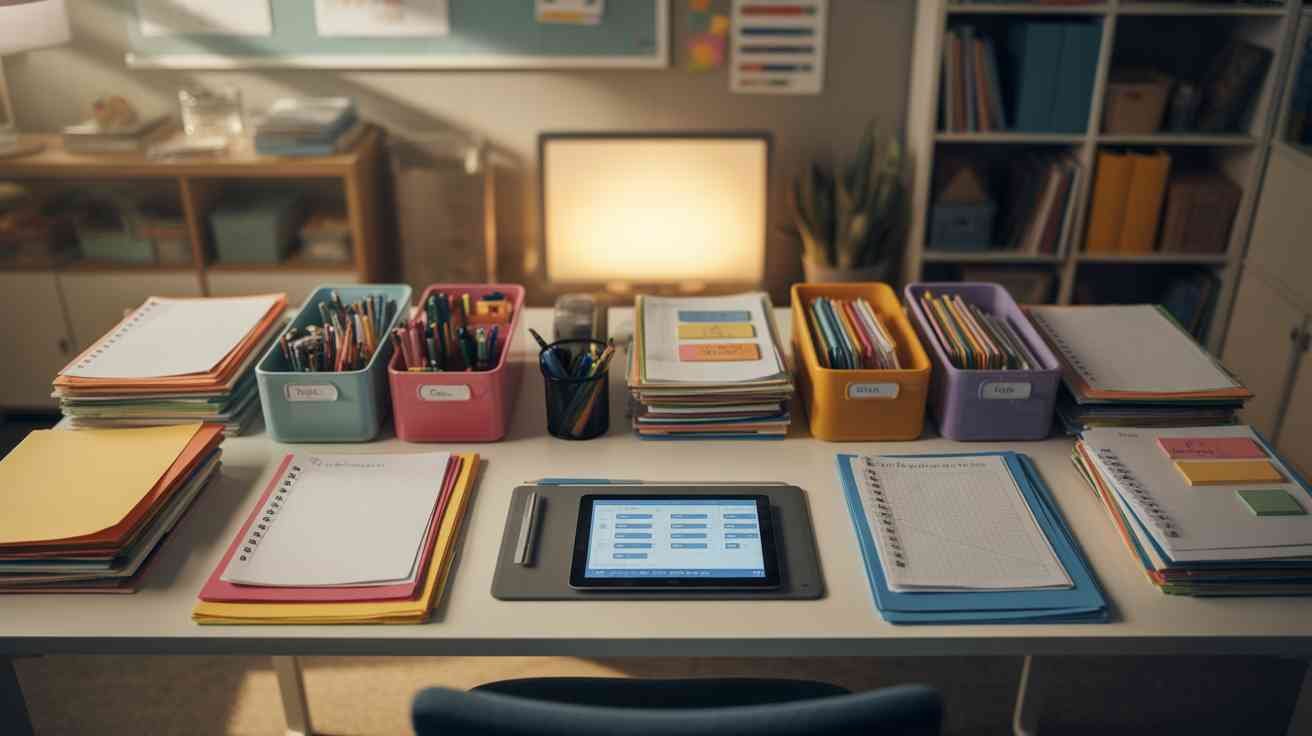
Even with the best digital tools, a tactile, physical organization system remains essential. A visually coherent classroom can drastically reduce preparation time and minimize frustration. Consider color-coded bins for different subjects, labeled folders for recurring activities, and easily accessible shelves for frequently used items. The sensory impact of a well-organized space – where every pencil, textbook, and projector cord has a designated place – cannot be overstated. Teachers often find that a visually pleasing environment not only saves time but also enhances the classroom atmosphere, encouraging students to engage more actively. Real-world feedback from educators highlights that a clearly organized classroom fosters confidence and reduces the anxiety that comes with last-minute resource hunting. Integrating both visual and digital organization methods creates a seamless, hybrid system that maximizes efficiency and ensures that no resource is ever misplaced.
Prioritizing Resources Based on Urgency and Relevance
Not all resources carry equal weight, and understanding which materials require immediate attention can revolutionize preparation. Begin by assessing which items are needed daily versus those used periodically. For instance, a set of math manipulatives or reading guides might be essential for daily lessons, while specialized lab equipment may only be necessary once a month. By prioritizing based on urgency and relevance, teachers can allocate their time more effectively, ensuring that high-priority resources are always ready and accessible. This method also reduces cognitive overload, freeing up mental energy for lesson delivery rather than frantic searching. Educators who adopt this strategy often report a heightened sense of control and preparedness, which directly benefits students through smoother, more engaging lessons. Additionally, aligning priority resources with platforms that helps education fund initiatives ensures that the organization process contributes to a greater educational mission beyond the classroom.
Utilizing Templates and Pre-Built Lesson Kits
Templates and pre-built lesson kits are a game-changer in reducing classroom preparation time. Imagine a library of ready-made lesson plans, worksheets, and multimedia assets that can be customized to your classroom’s specific needs. These resources allow teachers to bypass repetitive tasks and focus on tailoring content for student engagement. Numerous studies indicate that educators using templates save significant preparation time weekly, allowing for more interactive, hands-on learning experiences. Pre-built kits often include not just instructional content but also materials for practical activities, assessments, and student feedback tracking. Beyond convenience, using these resources ensures consistency in teaching quality, which is particularly valuable for new educators or those teaching multiple subjects. Some kits are also aligned with programs that helps education fund, providing an additional layer of impact by supporting educational initiatives while simplifying classroom preparation.
Collaborating with Fellow Educators
Collaboration is a cornerstone of effective resource management. No teacher should navigate the complex landscape of classroom preparation alone. By sharing resources, lesson plans, and best practices, educators can reduce redundant efforts and gain new perspectives. Picture a dynamic professional network where teachers swap tried-and-tested activities, digital resources, and strategic tips for managing time efficiently. Peer collaboration also serves as a motivational boost, fostering a sense of community and shared purpose. Case studies reveal that collaborative networks can cut preparation time by up to 25%, with teachers reporting higher confidence in lesson delivery and stronger student outcomes. By integrating shared resources with tools that helps education fund, educators not only enhance their efficiency but also contribute to a broader mission of supporting educational programs that benefit students globally.
Monitoring and Adjusting Your Resource System
Even the most meticulously organized system requires regular monitoring and adjustment. Classroom needs evolve, curricula change, and student dynamics shift, making it crucial to revisit your organizational strategy periodically. Schedule time to review resource usage, evaluate which tools are underutilized, and identify areas for improvement. Teachers who actively refine their systems report sustained reductions in preparation time and improved classroom fluidity. This iterative approach ensures that resources remain relevant and accessible, preventing the creeping inefficiency that can derail even the most structured classrooms. Furthermore, integrating responsive support tools that helps education fund ensures that any updates or adjustments not only streamline preparation but also align with verified, secure, and ethically responsible programs.
Incorporating Real-World Success Stories
Learning from real-world examples provides practical insights that theoretical strategies often cannot. Educators who have successfully streamlined their classroom preparation report dramatic transformations in both their efficiency and their students’ engagement. One teacher described the relief of no longer hunting for materials before each lesson, instead walking into a calm, prepared classroom where everything was immediately accessible. Another shared that integrating digital lesson planning platforms reduced preparation time by hours each week, allowing for more interactive and personalized teaching. These narratives highlight the tangible benefits of a well-organized classroom and serve as motivation for others to take immediate action. Platforms that helps education fund add an additional layer of purpose to these success stories, demonstrating how efficient classroom management can intersect with impactful educational philanthropy.
Taking Immediate Action to Transform Your Classroom
The time to act is now. Every moment spent without a streamlined resource system is a moment lost to inefficiency, stress, and suboptimal student engagement. Begin by auditing your materials, adopting digital tools, and implementing physical organization strategies. Embrace collaboration, utilize templates, and prioritize resources based on urgency. Each step compounds the benefits, saving precious minutes and enhancing the learning experience. By taking immediate action, educators can not only reclaim control over their time but also make a tangible contribution to educational causes through platforms that helps education fund. Don’t let the opportunity pass – transform your classroom, maximize your impact, and inspire students with a preparation system designed for excellence. Act today, and experience the freedom, confidence, and joy that come with fully streamlined classroom preparation.
In today’s digital age, educators are increasingly seeking innovative ways to captivate their students and enhance their learning experiences. By integrating various multimedia resources into their teaching strategies, teachers can create a more dynamic environment that not only boosts engagement but also plays a crucial role in humanizing education and fostering deeper connections with their students.