Why Student Voice Is the Missing Ingredient in Modern Classrooms
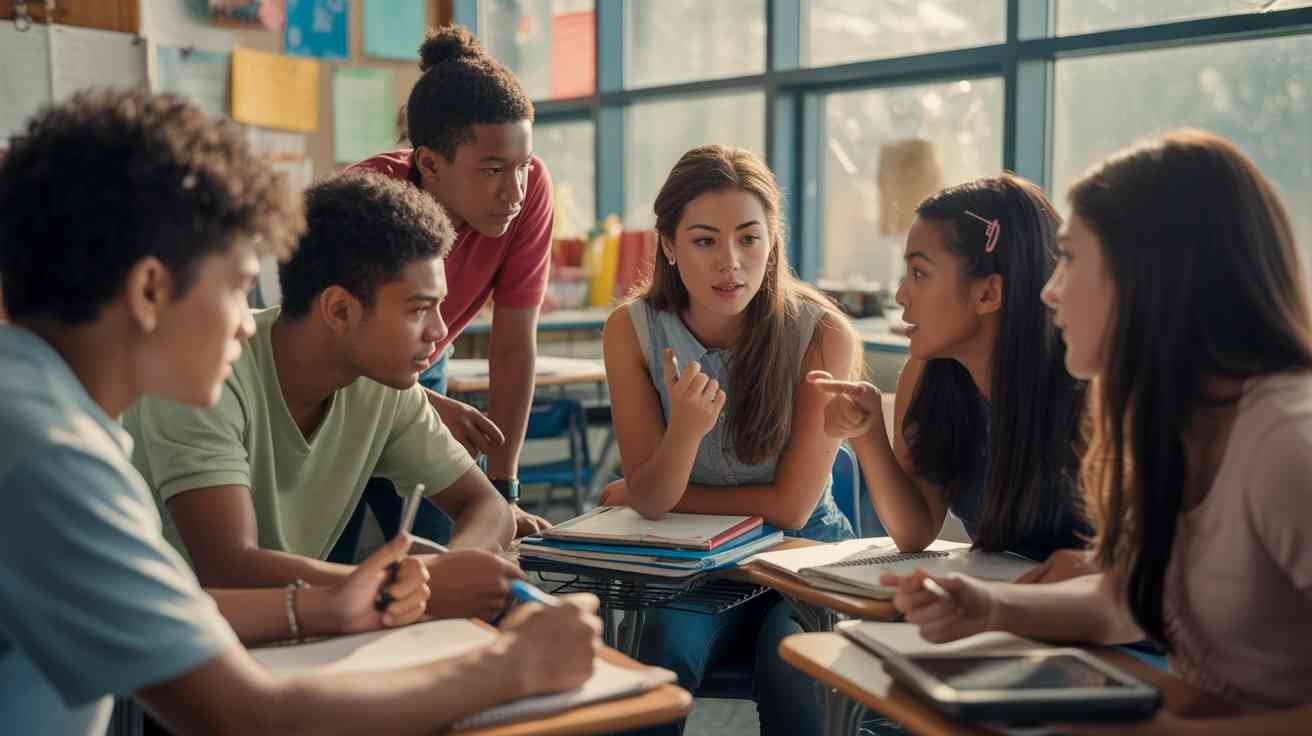
Imagine a classroom where every student feels heard, valued, and actively shapes their learning journey. This isn’t just a utopian vision – it’s the transformative power of incorporating student voice into lesson planning and delivery. When students have a say in their education, engagement soars, creativity flourishes, and learning becomes a dynamic, personalized experience. Yet, many educators still overlook this powerful tool, sticking to traditional methods that fail to ignite passion or curiosity. The urgency to change is now – before another generation slips through the cracks of outdated educational practices.
Student voice isn’t merely about allowing students to speak; it’s about embedding their perspectives, interests, and choices into the fabric of the curriculum. Research consistently shows that when students are given opportunities to contribute to lesson planning, their motivation and academic performance improve significantly. For instance, a study by KnowledgeWorks highlights that students who engage in co-designing their learning experiences exhibit deeper understanding and a stronger sense of ownership over their education. The question isn’t whether we can afford to incorporate student voice – it’s whether we can afford not to.
Transforming Passive Learners into Active Contributors
Traditional classrooms often position students as passive recipients of knowledge, with little room for input or creativity. This model stifles curiosity and reduces learning to a monotonous routine. To break free from this cycle, educators must shift towards a more inclusive approach that values student input at every stage of the learning process.
One effective strategy is to begin each lesson with a welcoming ritual that invites students to share their thoughts, questions, or reflections. This practice not only sets a positive tone but also signals to students that their voices matter. Additionally, incorporating choice boards or learning menus allows students to select activities that align with their interests and learning styles, fostering a sense of autonomy and engagement. As Creative Educator suggests, giving students the opportunity to articulate their voice in the most powerful way for them – be it through art, poetry, video, a podcast, a blog, or an essay – can demonstrate authentic evidence in their learning. This approach not only enhances engagement but also promotes a deeper connection to the material.
Leveraging Technology to Amplify Student Voice
In today’s digital age, technology offers unprecedented opportunities to amplify student voice. Tools like digital portfolios, interactive platforms, and collaborative apps enable students to express themselves in diverse ways and share their work with a broader audience. These technologies break down traditional classroom walls, allowing students to connect with peers, experts, and communities beyond their immediate environment.
Platforms such as Edutopia emphasize the importance of integrating technology to facilitate student expression and collaboration. By incorporating tools that support multimedia presentations, peer feedback, and real-time collaboration, educators can create a more dynamic and inclusive learning environment. Furthermore, these technologies can be used to gather student feedback, allowing for continuous improvement and adaptation of teaching strategies to better meet student needs and preferences.
Creating a Culture of Feedback and Reflection
Feedback is a cornerstone of effective learning, yet traditional models often position teachers as the sole providers of feedback. To truly empower students, feedback must be reciprocal. This means not only providing constructive comments on student work but also actively seeking and valuing student input on teaching practices, lesson content, and classroom dynamics.
Implementing regular feedback mechanisms, such as surveys, reflection journals, or class discussions, encourages students to think critically about their learning experiences and articulate their needs and preferences. As Edutopia suggests, asking students for feedback – and using it – conveys that we value their insight and that their voices are at the center of the work that we do. This practice not only improves teaching effectiveness but also fosters a sense of community and shared responsibility for the learning process.
Designing Lessons with Student Interests at the Core
Lessons that resonate with students are those that connect to their interests, experiences, and aspirations. When students see the relevance of what they’re learning to their own lives, engagement and motivation increase exponentially. To design such lessons, educators must first understand their students’ interests and backgrounds, which can be achieved through surveys, interviews, or informal conversations.
Once this information is gathered, lessons can be tailored to incorporate themes, topics, and activities that align with student interests. For example, if a class shows a keen interest in video games, incorporating educational games on platforms like the PS5 can make learning more engaging and relatable. Games such as “Rayman Brain Games” offer a fun and interactive way to develop skills like logic, memory, and math, making them an excellent tool for integrating student interests into lesson planning. By aligning lesson content with student interests, educators can create a more engaging and meaningful learning experience.
Empowering Student Choice in Assessment
Assessment is often viewed as a final judgment on student learning, but it can also be a powerful tool for growth when students have a say in how they’re assessed. Providing students with options for demonstrating their understanding – such as through projects, presentations, or digital portfolios – allows them to showcase their strengths and creativity. This approach not only reduces anxiety but also encourages deeper engagement with the material.
Moreover, involving students in the creation of rubrics and assessment criteria fosters a sense of ownership and accountability. When students understand the expectations and have a role in defining them, they are more likely to take responsibility for their learning and strive to meet the established goals. This collaborative approach to assessment transforms it from a mere evaluative tool into a constructive component of the learning process.
Building Strong Teacher-Student Relationships
At the heart of incorporating student voice is the relationship between teacher and student. Building trust, respect, and open communication creates an environment where students feel safe to express their thoughts and ideas. This foundation is essential for fostering a culture where student voice is not only heard but valued and acted upon.
Strategies to build strong relationships include regular one-on-one check-ins, personalized feedback, and creating opportunities for students to share their interests and goals. As Edutopia emphasizes, a positive, caring, respectful climate in the classroom is a prior condition to learning. Strong teacher-student relationships bolster students’ confidence to share their voices and contribute to a more inclusive and supportive learning environment.
Overcoming Challenges and Resistance
Incorporating student voice into lesson planning and delivery is not without its challenges. Resistance may come from various sources, including traditional educational structures, standardized testing pressures, or even personal biases. Overcoming these obstacles requires a commitment to change and a willingness to embrace new approaches.
One effective strategy is to start small. Begin by implementing student voice initiatives in one aspect of your teaching, such as allowing students to choose their project topics or incorporating a feedback session at the end of each unit. As you build confidence and see positive outcomes, gradually expand these practices to other areas. Additionally, engaging with colleagues and sharing successes and challenges can create a supportive network and foster a culture of collaboration and innovation within the school community.
Resources for Implementing Student Voice Strategies
To successfully incorporate student voice into lesson planning and delivery, educators can utilize a variety of resources and tools. Professional development workshops, online courses, and educational conferences offer opportunities to learn from experts and peers. Websites like Edutopia and Creative Educator provide practical strategies, lesson plans, and case studies that illustrate the benefits and implementation of student voice initiatives.
Furthermore, engaging with student voice organizations and networks can provide additional support and inspiration. These communities offer platforms for sharing ideas, discussing challenges, and celebrating successes in promoting student voice. By leveraging these resources, educators can enhance their understanding and application of student voice strategies, leading to more dynamic and effective teaching practices.
In today’s fast-paced educational landscape, teachers are constantly seeking effective strategies to enhance their instructional methods. By embracing reflective practices, they can not only foster personal growth but also contribute to a culture of educational socialization that benefits both students and colleagues alike.