
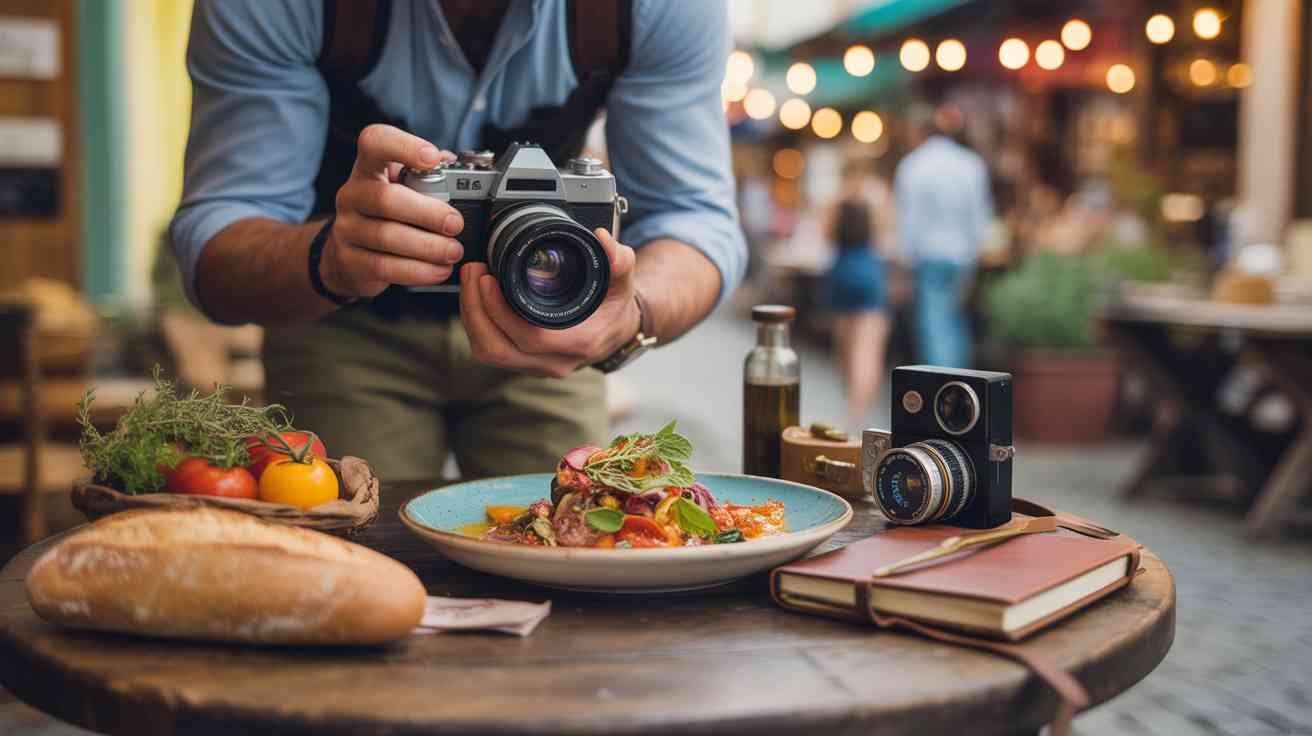
In a world brimming with fleeting moments, the art of capturing travel and food experiences through photography has become more than a hobby – it’s a necessity. Imagine standing at the edge of a bustling market in Marrakech, the air thick with the scent of spices and grilled meats, the vibrant colors of textiles and produce surrounding you. Or picture yourself seated at a rustic table in Tuscany, a plate of handmade pasta steaming before you, the golden sunlight casting a warm glow over the scene. These are not mere photographs; they are windows into experiences, emotions, and stories waiting to be shared. But how do you transform these moments into compelling images that resonate with viewers? The answer lies in understanding and mastering the nuances of travel and food photography.
Understanding the Power of Visual Storytelling
Photography is more than just pressing a button; it’s about telling a story. Every image has the potential to convey emotions, transport viewers to distant lands, and evoke a sense of wanderlust. When it comes to travel and food, the stakes are even higher. These genres are inherently sensory, rich with textures, flavors, and atmospheres that beg to be captured. To truly encapsulate the essence of a destination or a dish, one must go beyond the surface. It’s about immersing oneself in the environment, understanding the cultural context, and translating that experience into a visual narrative. Whether it’s the joy of a local chef preparing a traditional dish or the serenity of a remote landscape, your photographs should invite viewers to experience what you felt in that moment.
Mastering the Art of Composition
Composition is the backbone of any great photograph. It dictates how elements within the frame interact and guide the viewer’s eye. In travel photography, this means thoughtfully arranging the scene to highlight the subject while maintaining a sense of balance and harmony. Consider the rule of thirds, leading lines, and framing techniques to create dynamic and engaging images. For food photography, composition becomes even more critical. The arrangement of ingredients, the placement of utensils, and the choice of background all play pivotal roles in conveying the story behind the dish. A well-composed food photograph doesn’t just showcase the food; it reflects the culture, the preparation process, and the experience of dining.
Utilizing Natural Light to Enhance Mood
Lighting is perhaps the most crucial element in photography. Natural light, with its soft and diffused qualities, can transform an ordinary scene into something extraordinary. In travel photography, the golden hours – shortly after sunrise and before sunset – offer a warm, ethereal glow that enhances landscapes and portraits alike. Shadows become softer, colors more vibrant, and textures more pronounced. In food photography, natural light is equally indispensable. It highlights the freshness of ingredients, the sheen of sauces, and the textures of baked goods. Positioning your subject near a window or under a shaded area can provide the ideal lighting conditions. Avoid harsh midday sun, as it can create unflattering shadows and overexposed highlights.
Incorporating Local Culture and Context
To truly capture the essence of a place or a dish, it’s essential to incorporate elements of local culture and context. This means understanding the traditions, history, and significance behind what you’re photographing. In travel photography, this could involve capturing a local festival, a traditional craft, or a historical landmark. These elements provide depth and context, enriching the narrative of your images. Similarly, in food photography, showcasing the origins of a dish – be it a family recipe passed down through generations or a street food vendor’s specialty – adds layers of meaning. Including cultural artifacts, local ingredients, or traditional cooking methods in your shots can transform a simple photograph into a compelling story.
Embracing the Sensory Experience
Great photography appeals to more than just the eyes; it engages the senses. When photographing food, think about how to convey the aroma, taste, and texture of the dish. Close-up shots can highlight the glistening surface of a sauce, the steam rising from a hot bowl, or the intricate details of a pastry. In travel photography, consider how to depict the sounds, smells, and feelings of a location. A photograph of a bustling street market can evoke the clamor of vendors, the scent of fresh produce, and the excitement of discovery. By focusing on sensory details, you can create images that resonate on a deeper level, transporting viewers into the scene.
Editing to Enhance, Not Alter
Post-processing is an integral part of modern photography, but it’s important to use editing tools to enhance your images, not to transform them into something unrecognizable. Adjusting exposure, contrast, and saturation can bring out the best in your photos, making them more vibrant and true to life. However, over-editing can lead to unnatural-looking images that lose their authenticity. When editing food photographs, be mindful of color accuracy. The golden hue of a perfectly cooked dish should not be exaggerated, and the colors should reflect the true appearance of the food. Similarly, in travel photography, ensure that the colors and lighting adjustments stay true to the natural ambiance of the location.
Engaging with Your Subject
Whether you’re photographing a person, a dish, or a landscape, engagement is key. In travel photography, this means interacting with locals, understanding their stories, and capturing their essence. A candid portrait of a fisherman at sunrise or a chef preparing a meal can convey a powerful narrative. In food photography, engagement involves understanding the preparation process, the ingredients, and the cultural significance of the dish. Photographing a chef at work, the ingredients laid out before cooking, or the final presentation on the plate adds layers of storytelling to your images. Engaging with your subject allows you to capture moments that are authentic and meaningful.
Respecting Cultural Sensitivities
When traveling and photographing in different cultures, it’s crucial to approach your subjects with respect and sensitivity. Always ask for permission before photographing individuals, especially in private or sacred settings. Be aware of cultural norms and taboos, and ensure that your presence and photography do not disrupt or offend. In food photography, this respect extends to how you portray dishes and dining practices. Avoid misrepresenting or appropriating cultural foods and traditions. Instead, aim to celebrate and honor the diversity and richness of culinary practices around the world. Respectful photography fosters trust and opens doors to more meaningful interactions and images.
Sharing Your Work Responsibly
Once you’ve captured and edited your photographs, it’s time to share them with the world. In today’s digital age, platforms like Instagram, blogs, and photography websites offer vast audiences eager to experience new cultures and cuisines through your lens. However, sharing comes with responsibility. Always credit your subjects and sources, and be mindful of how your images are used. If you’re sharing photographs of individuals, especially in vulnerable situations, consider their privacy and dignity. Responsible sharing not only builds trust with your audience but also with the communities and individuals you’ve photographed.
Continuous Learning and Experimentation
Photography is an evolving art form, and to stay relevant and creative, it’s essential to continue learning and experimenting. Attend workshops, watch tutorials, and seek feedback from peers and mentors. Experiment with different styles, techniques, and equipment to discover what resonates with you. In travel and food photography, this might mean trying new angles, exploring unconventional compositions, or using different lighting setups. Embrace mistakes as learning opportunities and push the boundaries of your creativity. Continuous learning ensures that your work remains fresh, engaging, and true to your artistic vision.