
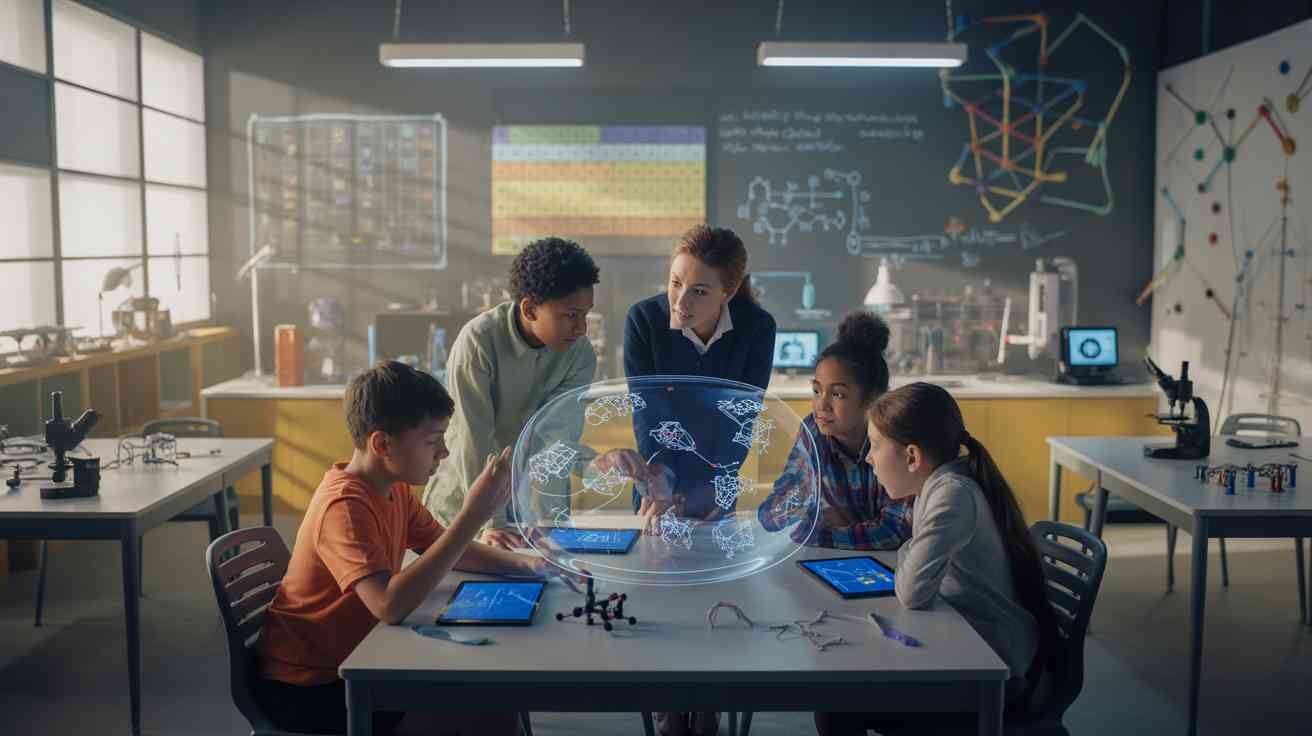
In today’s rapidly evolving world, the demand for students equipped with interdisciplinary STEM (Science, Technology, Engineering, and Mathematics) skills has never been more urgent. Schools that fail to adapt risk leaving their students ill-prepared for the challenges and opportunities of the future. The clock is ticking, and the window to implement effective interdisciplinary STEM education is closing fast. If you’re an educator, administrator, or parent, the time to act is now. Delaying could mean missing out on transformative educational experiences that could shape the future of our children.
The Imperative of Interdisciplinary STEM Education
Interdisciplinary STEM education is not just a trend; it’s a necessity. It integrates the core disciplines of STEM into a cohesive learning paradigm that emphasizes real-world applications. This approach fosters critical thinking, problem-solving, and collaborative skills among students. Imagine a classroom where students don’t just learn about science or math in isolation but apply these concepts to solve complex, real-world problems. This is the power of interdisciplinary STEM education. It’s about breaking down the silos of traditional education and creating a learning environment that mirrors the interconnectedness of the real world.
Research has shown that interdisciplinary STEM education enhances student engagement and achievement. By connecting classroom learning to real-world challenges, students see the relevance of their studies and are more motivated to learn. This approach also promotes deeper understanding as students are encouraged to make connections between different subject areas. For instance, a project that involves designing a sustainable energy solution requires knowledge of science, technology, engineering, and mathematics, demonstrating the practical application of interdisciplinary learning.
Hands-On, Project-Based Learning: The Heartbeat of STEM Education
One of the most effective methods for teaching interdisciplinary STEM concepts is through hands-on, project-based learning (PBL). This approach allows students to engage actively with the material, fostering a deeper understanding of the concepts. In PBL, students work on projects that require them to apply their knowledge and skills to solve real-world problems. This method not only makes learning more engaging but also helps students develop critical thinking and problem-solving skills.
For example, students might be tasked with designing and building a model of a sustainable city. This project would require them to apply principles from science (understanding environmental impact), technology (using software to design the city), engineering (building the model), and mathematics (calculating costs and resources). Through such projects, students see the practical application of their learning, making the educational experience more meaningful and memorable.
Integrating Leisure Education to Enhance STEM Learning
Leisure education plays a crucial role in enhancing STEM learning. By incorporating leisure activities that promote creativity and relaxation, students can approach STEM challenges with a refreshed and open mindset. Activities such as outdoor exploration, arts and crafts, and recreational games can stimulate curiosity and encourage innovative thinking. These activities provide a break from traditional classroom settings, allowing students to engage with STEM concepts in a more relaxed and enjoyable environment.
Moreover, leisure education helps in developing soft skills such as teamwork, communication, and time management. These skills are essential for success in both academic and professional settings. By integrating leisure education into the STEM curriculum, educators can create a more holistic learning experience that addresses the cognitive, emotional, and social development of students.
Collaborative Learning: Building a Community of Innovators
Collaboration is at the core of effective interdisciplinary STEM education. By working together, students can share ideas, solve problems collectively, and learn from each other’s strengths. Collaborative learning fosters a sense of community and encourages students to take responsibility for their learning. It also mirrors the collaborative nature of the real world, where teamwork is often essential for success.
In the classroom, collaborative learning can take many forms. Students might work in small groups to design a product, conduct experiments, or solve complex problems. Teachers can facilitate this process by providing guidance and support, ensuring that all students are actively engaged and contributing to the group’s success. Through collaboration, students not only enhance their understanding of STEM concepts but also develop interpersonal skills that are valuable in all areas of life.
Utilizing Technology to Enhance STEM Education
Incorporating technology into STEM education can significantly enhance the learning experience. Tools such as simulations, educational software, and online resources provide students with interactive and engaging ways to explore STEM concepts. Technology allows for personalized learning, enabling students to progress at their own pace and revisit challenging concepts as needed.
For instance, virtual labs can simulate experiments that might be too costly or dangerous to conduct in a traditional classroom setting. Educational apps can provide instant feedback, helping students identify areas where they need improvement. Online platforms can connect students with experts and peers around the world, broadening their perspectives and fostering a global understanding of STEM issues.
Professional Development for Educators: Staying Ahead of the Curve
For interdisciplinary STEM education to be effective, educators must be well-prepared and continuously supported. Professional development programs that focus on interdisciplinary teaching strategies, technology integration, and collaborative learning can equip teachers with the skills and knowledge they need to succeed. These programs should be ongoing, allowing educators to stay current with the latest developments in STEM education and continuously improve their teaching practices.
Schools and districts should invest in professional development opportunities that provide teachers with the resources and support they need. This investment not only enhances the quality of education but also demonstrates a commitment to the professional growth of educators. By prioritizing professional development, schools can ensure that their teachers are prepared to deliver high-quality interdisciplinary STEM education to their students.
Assessment Strategies for Interdisciplinary STEM Learning
Assessing interdisciplinary STEM learning requires a shift from traditional testing methods to more holistic approaches. Assessments should evaluate not only the knowledge students have acquired but also their ability to apply that knowledge in real-world situations. This can include project assessments, presentations, peer evaluations, and self-reflections.
Project-based assessments allow students to demonstrate their understanding and skills in a tangible way. Presentations provide an opportunity for students to communicate their ideas and solutions effectively. Peer evaluations encourage collaboration and critical thinking, while self-reflections help students assess their own learning and identify areas for improvement. By using a variety of assessment methods, educators can gain a comprehensive understanding of student learning and provide meaningful feedback that supports further growth.
Creating a Culture of Innovation and Inquiry
To foster a culture of innovation and inquiry, schools must create an environment that encourages curiosity, experimentation, and risk-taking. This involves providing students with opportunities to explore new ideas, ask questions, and pursue their interests. It also means creating a safe space where failure is viewed as a learning opportunity rather than a setback.
Teachers can promote a culture of innovation by modeling curiosity and enthusiasm for learning, encouraging students to think critically and creatively, and providing resources and support for exploration. Schools can support this culture by offering extracurricular activities, clubs, and competitions that allow students to pursue their interests and develop their skills. By creating a culture of innovation and inquiry, schools can inspire students to become lifelong learners and problem-solvers.
Conclusion: The Time to Act is Now
The need for effective interdisciplinary STEM education is urgent. Schools that fail to implement these strategies risk falling behind in preparing students for the future. The methods outlined above – hands-on learning, integration of leisure education, collaborative projects, technology use, professional development, innovative assessment, and fostering a culture of inquiry – are not just best practices; they are essential components of a modern education system.
Educators, administrators, and policymakers must act now to integrate these strategies into their schools. The future of our students depends on it. By embracing interdisciplinary STEM education, we can equip students with the skills and knowledge they need to succeed in an increasingly complex and interconnected world. Don’t wait – take action today to transform education for the future.