
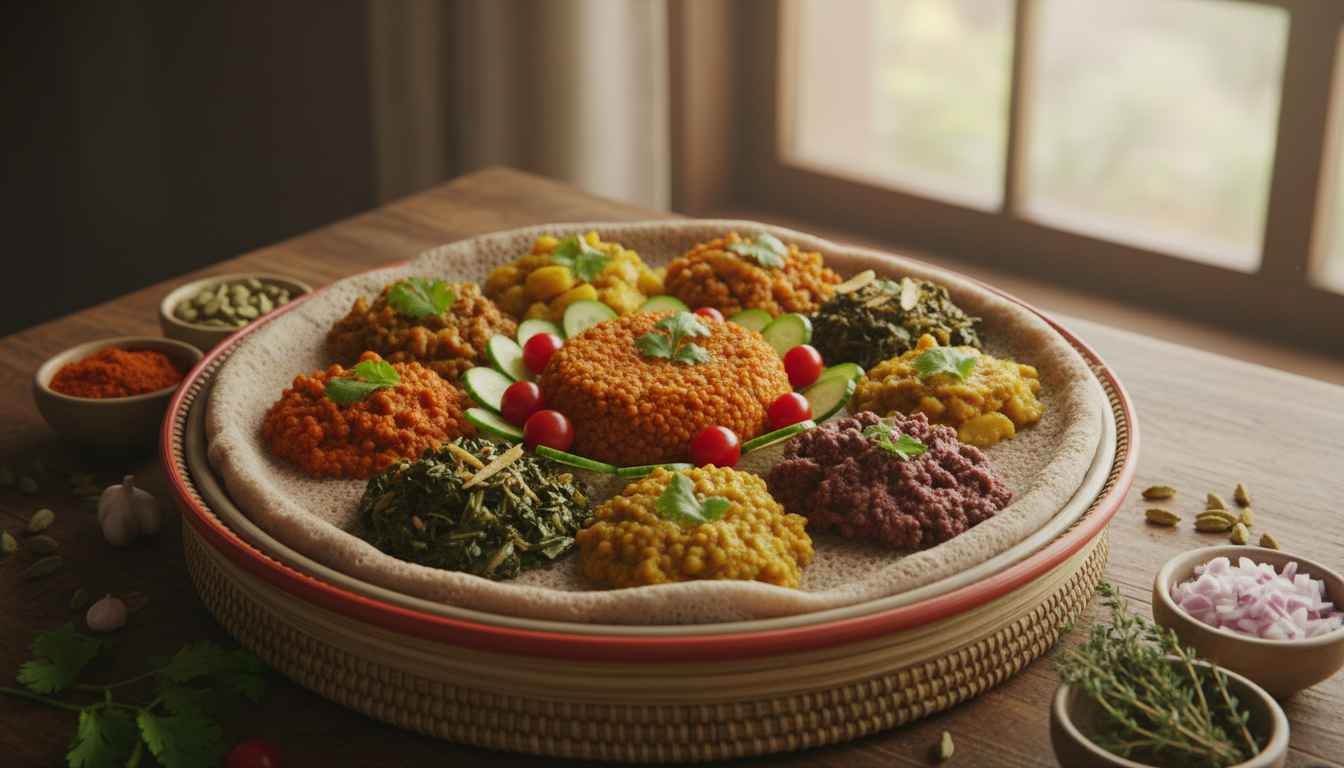
Have you ever wondered what makes Beso a staple in Ethiopian cuisine? Do you question its nutritional impact on your daily diet? Could understanding the calories, protein, and micronutrients in Beso change the way you approach meals? Beso, a traditional Ethiopian roasted barley flour dish, has long been celebrated for its hearty texture and versatile use. But beyond its cultural and culinary appeal lies a rich profile of nutrients that may surprise you.
Beso is primarily made from roasted barley, which is finely ground into flour. This simple ingredient delivers a complex nutritional profile. One of the most significant benefits of Beso is its high fiber content. With approximately 6 grams of dietary fiber per 100 grams, it supports healthy digestion and helps maintain stable blood sugar levels. Protein content is also notable, averaging around 10 grams per 100 grams, making it a valuable addition for those looking to increase plant-based protein intake. Carbohydrates dominate the caloric contribution, providing sustained energy suitable for active lifestyles.
In my early days exploring Ethiopian cuisine, I mistakenly assumed that Beso was low in calories due to its simple appearance. I incorporated it into several meals without adjusting portion sizes, which unexpectedly led to excess caloric intake over time. This experience reinforced the importance of understanding nutrition facts before making dietary decisions, even with traditional or seemingly “healthy” foods.
When considering micronutrients, Beso is rich in essential minerals such as iron, magnesium, and phosphorus. Iron contributes to healthy red blood cell production, while magnesium supports muscle and nerve function. Phosphorus is critical for bone health and energy metabolism. Additionally, Beso contains B vitamins including niacin, thiamine, and riboflavin, which play vital roles in energy production and cognitive function.
Dos and Don’ts of Consuming Beso
Do Incorporate Beso as a Balanced Breakfast Option
Beso can be prepared as a porridge or mixed with milk, yogurt, or even spices like cinnamon. Pairing Beso with fresh fruits or nuts enhances its nutritional profile and provides a balanced mix of macronutrients. For example, adding a handful of almonds increases healthy fats and protein, while berries contribute antioxidants and additional fiber.
Don’t Overlook Portion Control
Despite its health benefits, Beso is calorie-dense due to its carbohydrate and protein content. Excessive portions can contribute to unintended weight gain. A serving size of around 50–75 grams of dry Beso is generally sufficient when paired with other foods in a meal.
As the demand for plant-based options continues to surge, fast food chains are increasingly reformulating their menus to cater to health-conscious consumers and those with dietary restrictions. This shift has sparked debates about whether the rise of non dairy fast food represents a genuine revolution in the culinary landscape or merely a temporary trend catering to a niche market. With major brands experimenting with innovative ingredients and flavors, it’s essential to explore the implications of this movement on traditional fast food culture and consumer choices. The balance between taste, nutrition, and sustainability will determine whether this wave of non dairy options is here to stay or just a passing phase.
For those with a sweet tooth but a desire to cut back on sugar, traditional desserts can often feel off-limits. However, there’s a delightful solution that can satisfy your cravings without the guilt: a low-sugar version of the beloved angel food cake. This classic dessert, known for its light and airy texture, can be transformed into a healthier treat that everyone can enjoy. By using alternative sweeteners and simple modifications, you can enjoy a slice of heaven without compromising your dietary goals. To discover how to make this scrumptious dessert, check out our angel food cake recipe low sugar that redefines indulgence while embracing a healthier lifestyle.
Do Use Beso as a Nutrient Booster in Recipes
Beso can be added to soups, stews, and baked goods to enhance nutritional value. Its nutty flavor complements a variety of Ethiopian and international dishes. Incorporating Beso into recipes helps increase fiber and protein intake without relying solely on animal products, supporting a more sustainable diet.
Don’t Assume It Fits All Dietary Needs
While Beso is largely beneficial, individuals with gluten intolerance or celiac disease should avoid it, as barley contains gluten. It is also high in carbohydrates, which may require monitoring for those managing blood sugar levels. Consulting a nutritionist can help tailor Beso consumption to your specific dietary requirements.
Step-by-Step Flowchart of Beso Nutritional Benefits
Understanding Beso’s nutritional impact can be visualized as a flowchart: Start with roasted barley flour –> Provides carbohydrates, protein, and fiber –> Supports energy and digestion –> Supplies vitamins and minerals –> Enhances overall nutrient intake. This stepwise breakdown clarifies how Beso contributes to a balanced diet when consumed thoughtfully.
Potential Drawbacks of Beso
Although Beso offers multiple health advantages, potential drawbacks exist. Its gluten content makes it unsuitable for those with celiac disease. High carbohydrate content may not align with ketogenic or very low-carb diets. Overconsumption without balancing other macronutrients can lead to excess calorie intake. Being mindful of these factors ensures Beso remains a positive addition to your nutrition plan.
Where to Source Quality Beso
Finding high-quality Beso is crucial for maximizing its nutritional benefits. Look for sources that provide freshly roasted barley with minimal additives. For restaurants or commercial kitchens, reliable suppliers like Allpoints offer kitchen replacement parts and equipment that can help prepare Beso efficiently, ensuring consistent quality and freshness.
Final Thoughts
Beso Ethiopian food is more than a traditional staple; it is a nutrient-dense ingredient that, when consumed mindfully, can enhance dietary health. Understanding its nutritional facts, integrating it thoughtfully into meals, and being aware of potential drawbacks ensures you gain the full benefits of this culturally rich food. By approaching Beso with knowledge and balance, you can enjoy its flavors and nutrition without unintended consequences.