
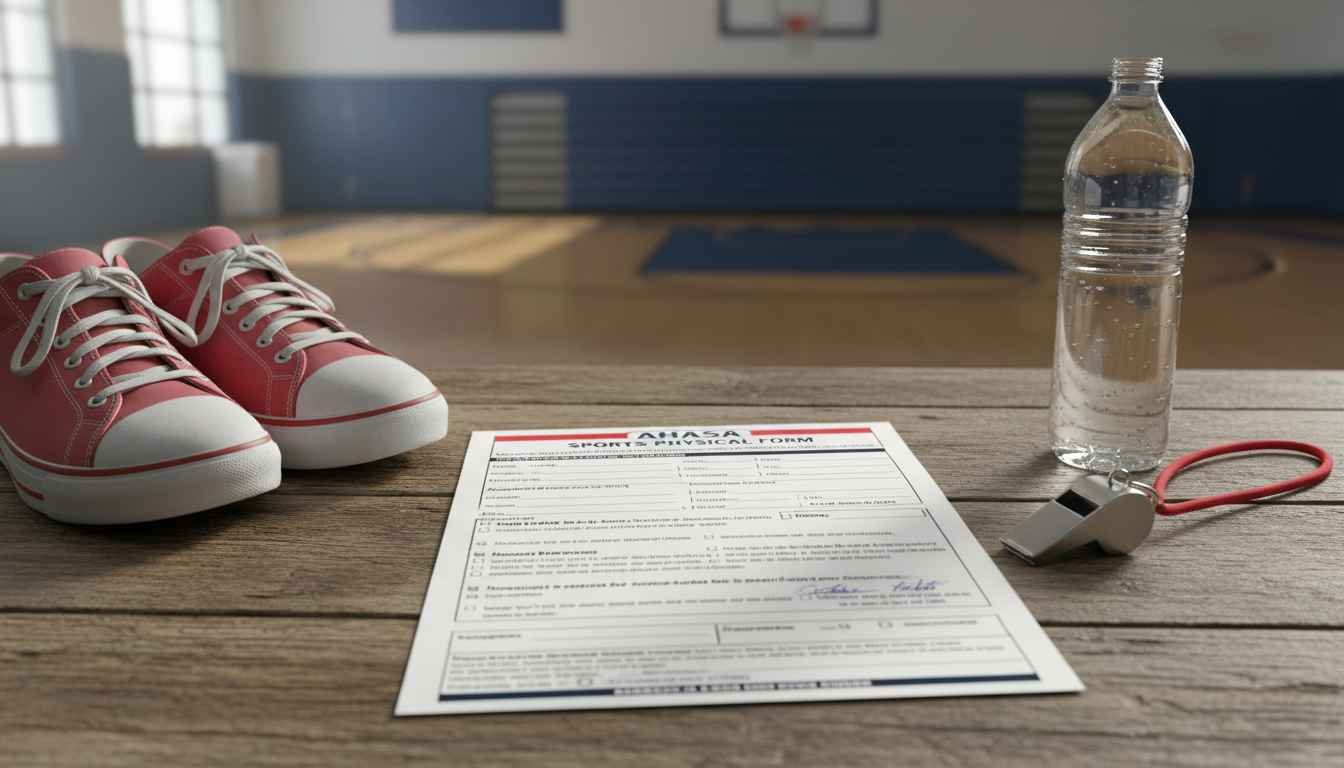
Did you know 90% of student athletes nationwide fail to complete their sports physical forms correctly, delaying participation in school sports? In Alabama, this critical form is not just paperwork – it’s a gatekeeper for your athletic dreams. Skipping details or misunderstanding requirements can mean sitting on the sidelines while teammates train.
The Alabama sports physical form is a comprehensive medical evaluation that ensures student athletes are safe to engage in competitive sports. This isn’t just about passing a quick check-up; it’s a legal and medical safeguard. Whether you are entering middle school, high school, or preparing for collegiate sports, understanding each step of this process is crucial.
Step one involves obtaining the official Alabama sports physical form, which is provided by your school or can be downloaded from the Alabama High School Athletic Association (AHSAA) website. The form includes sections on medical history, vaccinations, and physical examination results. Accuracy is vital, as any misinformation can disqualify you from participation.
Step two requires gathering your medical history. This section covers past injuries, surgeries, chronic conditions, medications, and allergies. Be honest – athletic trainers and coaches rely on this information to prevent serious injuries. This is also the point where many athletes trip up by leaving sections blank or providing incomplete information.
Step three is the physical examination itself. Alabama mandates that a licensed healthcare provider conduct a thorough assessment including height, weight, blood pressure, vision, heart, lungs, abdomen, musculoskeletal system, and neurological evaluation. The provider must certify that you are fit for sports activities. This is where you demonstrate readiness for intense physical activity.
Step four involves parental or guardian consent. Alabama law requires signature verification to confirm that a guardian understands the risks of sports participation and acknowledges the information provided is accurate. Missing this step can nullify an otherwise perfect medical evaluation.
Step five is submission. The completed form must be returned to your school before the season starts. Schools often provide specific deadlines, and missing them can prevent participation. Some schools accept digital uploads, while others require physical copies, so confirm the method with your athletic department.
When choosing where to get your sports physical, consider clinics with experience in athletic evaluations. Comparing options can help you save time and ensure a thorough assessment. Below is a comparison table highlighting typical differences between two common approaches:
As the school year approaches, many young athletes in Ohio are gearing up for their sports seasons, and one crucial step in this preparation is completing the necessary physical forms. These forms are not only a requirement for participation but also serve to ensure the safety and well-being of student-athletes. Understanding the specific requirements and processes involved in obtaining and submitting the ohio sports physical form can significantly ease the stress for both athletes and their parents. This guide will provide you with essential information about the physical examination process, what to expect, and tips for a smooth experience, enabling athletes to focus on their performance and get the most out of their sports activities.
| Clinic Type | Pros | Cons |
|---|---|---|
| Primary Care Physician | Familiar with medical history, detailed evaluation, insurance-covered | May require appointment scheduling weeks in advance |
| Sports Medicine Clinic | Quick turnaround, specialized in athletic screenings, understands AHSAA forms | Potential higher out-of-pocket cost, may be less familiar with general medical history |
It’s essential to remember that the Alabama sports physical form is more than bureaucratic red tape. It is your first line of defense against sports-related injuries. Providers will assess muscle imbalances, joint stability, and cardiovascular health, ensuring that the body can withstand the demands of your chosen sport. Integrating functional training and strength conditioning as suggested by clinics and fitness experts can improve your evaluation results. Resources like Get RXd provide functional training equipment that aligns with these needs, helping student athletes strengthen critical muscle groups prior to their physical examination.
Who Should Avoid This
While nearly every student athlete should complete the Alabama sports physical form, some individuals require caution. Students with acute illnesses, recent surgeries, uncontrolled chronic conditions like severe asthma or heart disorders, or those recovering from concussions should delay participation until cleared by a physician. Ignoring these warnings can lead to severe consequences on and off the field.
Potential Drawbacks
Filling out the sports physical form may feel tedious, but rushing increases the risk of incomplete documentation. Some families face logistical challenges scheduling timely appointments with healthcare providers. Additionally, if pre-existing conditions are not properly managed, the evaluation might flag the athlete as temporarily ineligible. Planning ahead mitigates these issues, ensuring smooth entry into the sports season.
Tips for a Successful Submission
Start early: Request the form and schedule a physical well in advance of the season.
Organize medical records: Bring vaccination records, previous injury reports, and medication lists.
Communicate with the provider: Clarify any questions about fitness for specific sports or any required tests.
Double-check signatures: Ensure both the physician and guardian have signed in all required sections.
Confirm submission: Verify with the school’s athletic office that your form has been received and approved.
Completing the Alabama sports physical form doesn’t have to be a struggle. With preparation, honesty, and attention to detail, you secure not just eligibility, but also a foundation for safe, high-performance athletic participation. Understanding the process empowers student athletes and their families, transforming a bureaucratic requirement into a proactive step toward peak performance and injury prevention.